Earthquake Insurance Cost – When the earth trembles, the financial repercussions can be as devastating as the physical damage. For homeowners and businesses situated in seismically active zones, the specter of an earthquake looms large, and with it, the question of financial preparedness. Earthquake insurance, while not always a mandatory requirement, represents a critical layer of protection against the potentially catastrophic costs associated with seismic events. Understanding the nuances of earthquake insurance cost is therefore paramount, not just for peace of mind, but as a vital component of responsible property ownership in vulnerable regions. This coverage is designed to help rebuild, repair, and recover, mitigating the immense financial burden that can arise from even a moderate tremor.
The cost of earthquake insurance is far from a one-size-fits-all figure. It’s a complex equation influenced by a multitude of factors, each contributing to the overall premium. At its core, the price is dictated by the perceived risk of an earthquake impacting your specific location. Insurers meticulously analyze seismic hazard maps, fault line proximity, and historical earthquake data to assess this risk. Beyond geographical vulnerabilities, the characteristics of the insured property itself play a significant role. The age and construction materials of a building, its foundation type, and even the presence of safety features like automatic gas shut-off valves can all influence how much you’ll pay. Older homes, particularly those built with less resilient materials or lacking modern seismic retrofitting, often command higher premiums due to their increased susceptibility to damage.
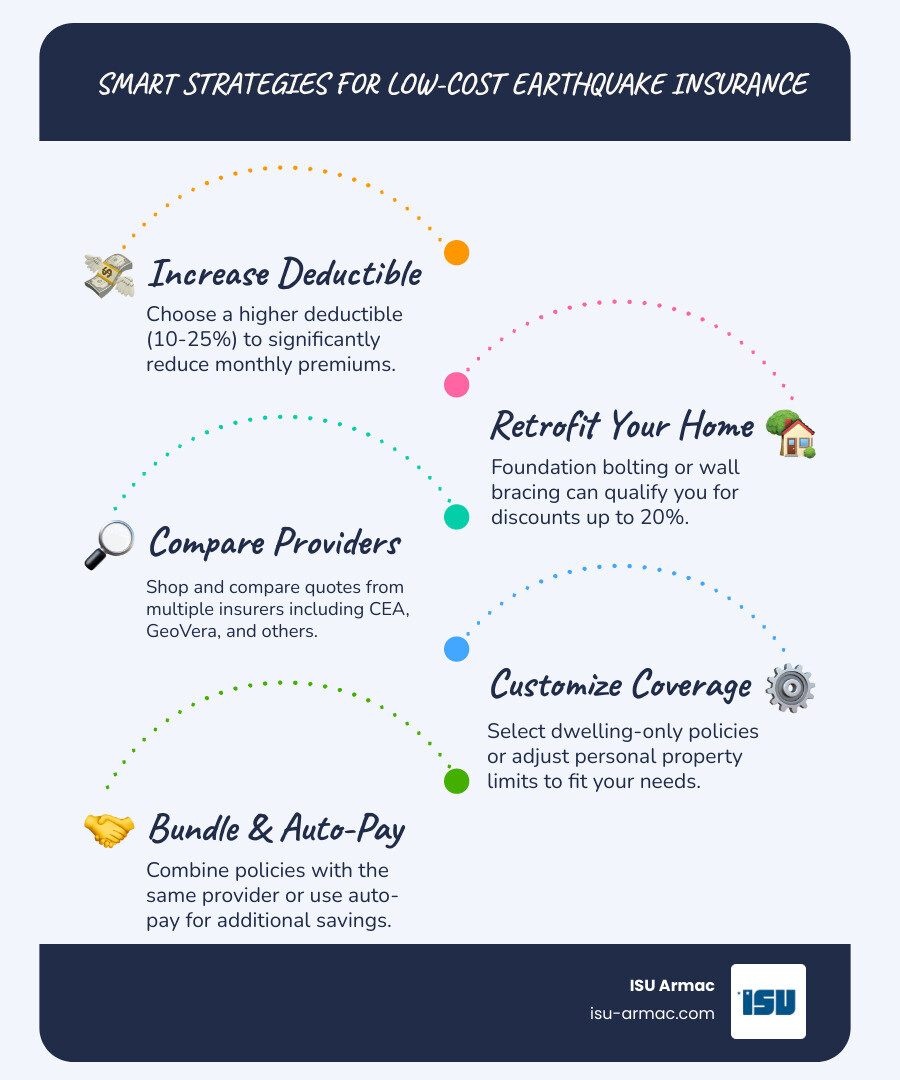
Furthermore, the scope of your earthquake insurance policy directly impacts its cost. Deductibles are a major determinant; higher deductibles typically translate to lower annual premiums, but require a larger out-of-pocket expense should a claim be filed. Conversely, lower deductibles offer greater immediate financial relief after a disaster but come with a steeper price tag on the policy itself. This concept closely relates to Business Liability Insurance Cost. The coverage limits chosen – the maximum amount the insurer will pay for damages – also factor into the premium. Deciding on the right level of coverage involves a careful balance between affordability and adequate protection, ensuring that the policy can realistically cover the cost of rebuilding or repairing your property in the event of a significant seismic event.
Earthquake Insurance Cost
Understanding the earthquake insurance cost is crucial for homeowners and property owners residing in seismically active regions. Unlike standard homeowners insurance, which typically excludes earthquake damage, specialized earthquake insurance is a separate policy or endorsement designed to cover losses resulting from seismic events. The cost of this specialized coverage can vary significantly, influenced by a complex interplay of factors that determine the risk profile of your property and the level of protection you seek. This in-depth guide aims to demystify the components that contribute to your earthquake insurance cost, providing a comprehensive overview to help you make informed decisions.
Factors Influencing Earthquake Insurance Cost
The price you pay for earthquake insurance is not arbitrary. Insurers meticulously assess various elements to quantify the potential risk and subsequently determine the premium. Understanding these factors is the first step to comprehending your earthquake insurance cost.
1. Location and Seismic Hazard
This is arguably the most significant determinant of your earthquake insurance cost. Properties situated in zones with a higher historical incidence of earthquakes and a greater probability of future seismic activity will naturally incur higher premiums. Insurers utilize detailed geological surveys and seismic hazard maps to assess the risk. For instance, areas along major fault lines, like the San Andreas Fault in California, will face substantially higher earthquake insurance cost compared to regions with minimal seismic risk.
2. Building Characteristics
The physical attributes of your home play a vital role in calculating the earthquake insurance cost. Insurers examine:
- Construction Type: Homes built with wood frames are generally considered more resilient to earthquakes than those constructed from brick, concrete, or unreinforced masonry. This difference in structural integrity directly impacts the premium. For example, a wood-frame home might have a lower earthquake insurance cost than a similar-sized masonry home in the same location.
- Age of the Building: Older homes, especially those built before modern seismic building codes were established, may be more vulnerable. This increased vulnerability can lead to higher earthquake insurance cost.
- Foundation Type: The type of foundation and whether it is adequately anchored can significantly affect earthquake resistance. Bolting your home to its foundation is a common recommendation to reduce risk and potentially lower earthquake insurance cost.
- Number of Stories: Taller structures can sometimes experience more significant swaying during an earthquake, potentially increasing the risk of damage and, consequently, the earthquake insurance cost.
- Roof Type: While less impactful than structural elements, certain roof designs or materials might be more susceptible to damage in a seismic event.
3. Dwelling Coverage Amount
The total amount of coverage you choose for your dwelling (the physical structure of your home) is a direct driver of the earthquake insurance cost. A higher dwelling coverage amount means the insurer is agreeing to pay more to rebuild or repair your home after an earthquake, thus leading to a higher premium. This is often tied to the estimated cost to rebuild your home, not its market value.
4. Other Structures Coverage
This coverage applies to detached structures on your property, such as garages, sheds, or fences. Including these in your earthquake policy will add to the overall earthquake insurance cost, though typically at a lower rate per dollar of coverage than the main dwelling.
5. Personal Property Coverage
This portion of the policy covers your belongings inside the home, like furniture, electronics, and clothing. The more personal property you wish to insure, the higher your earthquake insurance cost will be. You’ll need to estimate the replacement cost of your possessions.
6. Additional Living Expenses (ALE) / Loss of Use
If an earthquake renders your home uninhabitable, ALE coverage helps pay for temporary housing, meals, and other essential living expenses while your home is being repaired. The amount of ALE coverage you select will influence your earthquake insurance cost. Higher limits for ALE will result in a higher premium.
7. Deductible Options
The deductible is the amount you agree to pay out-of-pocket before your insurance coverage kicks in. For earthquake insurance, deductibles are typically much higher than for standard homeowners policies and are often expressed as a percentage of your dwelling coverage. Common deductible percentages range from 5% to 25%. A higher deductible will significantly reduce your annual earthquake insurance cost, but it means you’ll be responsible for a larger portion of the repair costs in the event of a claim.
For example, on a $500,000 home with a 15% deductible, you would be responsible for the first $75,000 of damage before the insurance payout begins. This choice has a profound impact on the immediate earthquake insurance cost versus potential out-of-pocket expenses during a disaster.
8. Insurer and Underwriting Practices
Different insurance companies have varying risk appetites and underwriting guidelines. Some insurers may specialize in high-risk areas and offer competitive rates, while others might avoid certain regions altogether or charge a premium for their willingness to insure in those locations. The specific insurer you choose will impact your earthquake insurance cost.
9. Policy Endorsements and Riders
Some policies may offer optional endorsements or riders for specific types of coverage or exclusions. For instance, some policies might have specific limitations on damage to swimming pools or landscaping, and you may be able to add coverage for these items at an additional earthquake insurance cost.
Estimating Your Earthquake Insurance Cost
Given the numerous variables, providing an exact earthquake insurance cost without a personalized quote is impossible. However, we can illustrate the typical range and the significant differences based on the factors above.
In high-risk states like California, earthquake insurance premiums can range from:
- 1% to 3% of the dwelling coverage annually for a typical home.
This means for a home with a dwelling coverage of $500,000, the annual earthquake insurance cost could be anywhere from $5,000 to $15,000. This is a substantial additional cost on top of your standard homeowners premium.
Conversely, in areas with moderate or low seismic risk, the earthquake insurance cost might be considerably lower, sometimes even a fraction of a percent of the dwelling coverage, or it might be deemed unnecessary by many homeowners and insurers.
| Scenario | Dwelling Coverage | Estimated Annual Premium (Low Risk) | Estimated Annual Premium (High Risk) |
|---|---|---|---|
| Typical Single-Family Home | $500,000 | $500 – $2,500 (0.1% – 0.5%) | $5,000 – $15,000 (1% – 3%) |
| Older Masonry Home | $400,000 | $800 – $3,200 (0. An interesting case study can be seen at Full Coverage Auto Insurance Cost.2% – 0.8%) | $6,400 – $16,000 (1.6% – 4%) |
Note: These figures are illustrative estimates and actual costs will vary based on specific location, insurer, building features, and deductible.
Strategies to Manage Earthquake Insurance Cost
While the earthquake insurance cost can be significant, several strategies can help manage it:
- Increase Your Deductible: As mentioned, opting for a higher deductible will directly lower your annual premium. Weigh this against your comfort level with out-of-pocket expenses during a claim.
- Mitigation Efforts: Retrofitting your home to improve its seismic resistance (e.g., foundation bolting, cripple wall bracing) can sometimes lead to discounts from insurers or make you eligible for more favorable rates. Check with your insurer about potential discounts for seismic retrofitting. This proactive approach can influence your earthquake insurance cost.
- Shop Around: Obtain quotes from multiple insurance providers specializing in earthquake coverage. Prices can vary significantly between companies for the same level of protection. Don’t settle for the first quote; compare the earthquake insurance cost from at least three different insurers.
- Bundle Policies: If possible, inquire about discounts for bundling your earthquake policy with your homeowners or auto insurance from the same provider.
- Review Coverage Needs: Regularly assess your dwelling coverage, personal property, and ALE needs. Ensure you are not over-insured, which would unnecessarily inflate your earthquake insurance cost, nor under-insured, which could leave you exposed financially.
Understanding Policy Exclusions and Limitations
It is imperative to thoroughly read and understand your earthquake insurance policy, as there are often specific exclusions and limitations that can affect what is covered and, by extension, the overall earthquake insurance cost in terms of potential payout. Common exclusions include:
- Damage caused by fire, flood, or tsunami that may be triggered by an earthquake (these are typically covered by other policies).
- Damage to land, landscaping, swimming pools, or fences unless specifically endorsed.
- Loss of use or damage to attached structures like patios or decks if not explicitly covered.
- Wear and tear or gradual deterioration.
- Mechanical breakdown of systems.
Understanding these limitations is as important as understanding the factors that determine your earthquake insurance cost, as it clarifies the true extent of your protection.
The Importance of Specialized Coverage
Standard homeowners insurance policies almost universally exclude damage from earthquakes. This means that without a separate earthquake insurance policy or endorsement, you would be solely responsible for the substantial costs of repairing or rebuilding your home and replacing your belongings after a significant seismic event. The earthquake insurance cost, while seemingly high, is a critical investment for peace of mind and financial security in earthquake-prone areas.
When considering your earthquake insurance cost, remember that it is an investment in protecting one of your most significant assets. By understanding the contributing factors, exploring available strategies for cost management, and thoroughly reviewing policy details, you can secure the appropriate level of coverage at a price that aligns with your financial situation and risk tolerance. A comprehensive discussion of this is in Cheap Auto Insurance Near Me.