Flood Insurance Coverage USA – The United States, a nation blessed with diverse landscapes, also grapples with a significant and ever-present threat: flooding. From coastal storm surges to inland river overflows and even localized flash floods, the risk of water damage is a reality for millions of Americans. While homeowners’ standard insurance policies typically exclude flood damage, understanding and securing adequate flood insurance coverage is paramount to protecting one’s property and financial well-being. This specialized insurance acts as a crucial safety net, offering financial assistance for repairs and replacements when the unthinkable happens.
Navigating the world of flood insurance in the USA can seem complex, with different providers, policy structures, and varying levels of coverage available. The National Flood Insurance Program , managed by the Federal Emergency Management Agency , plays a central role, providing flood insurance to communities that participate in the program. However, private flood insurance options are also expanding, offering alternative solutions and potentially more tailored coverage. For homeowners and renters alike, understanding whether they reside in a high-risk flood zone, the limitations and benefits of NFIP policies, and the advantages of exploring private market options is the first step toward comprehensive protection.
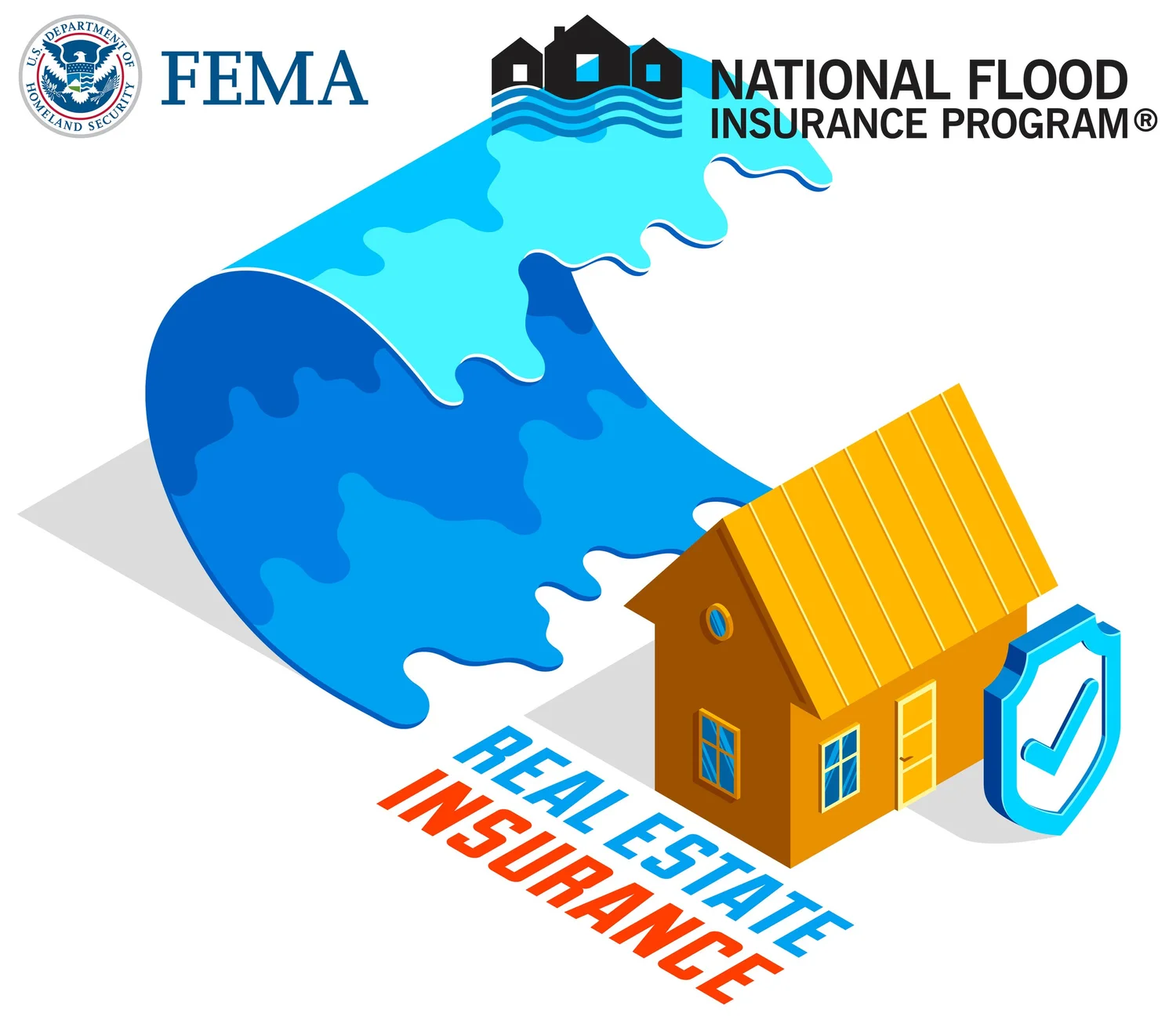
Beyond the basic dwelling coverage, flood insurance policies often extend to protect personal belongings and the building’s structure, including essential systems like electrical and plumbing. The cost of flood insurance can vary significantly based on factors such as flood risk, the amount of coverage desired, and the elevation of the property. Proactive research and consultation with insurance professionals are vital to ensure that the chosen policy offers sufficient protection against potential losses. For deeper understanding, see Best Car Insurance Companies USA. In an era where extreme weather events are becoming more frequent, investing in appropriate flood insurance is not just a prudent financial decision, but an essential component of responsible homeownership in the United States.
# Flood Insurance Coverage USA Understanding flood insurance coverage in the USA is a critical step for homeowners and businesses in flood-prone areas. This article delves deeply into the intricacies of flood insurance in the United States, offering comprehensive details on what it covers, who needs it, how to obtain it, and what factors influence its cost. Navigating the landscape of flood insurance coverage USA can seem daunting, but with a thorough understanding, property owners can make informed decisions to protect their most valuable assets from the devastating impact of floods. ## What is Flood Insurance Coverage USA? Flood insurance coverage USA is a specialized type of insurance designed to protect against direct physical loss caused by or resulting from a flood. Unlike standard homeowners or commercial property insurance policies, which typically exclude flood damage, flood insurance provides dedicated protection for events like overflowing rivers, coastal storm surges, heavy rainfall causing inundation, and dam failures. It is crucial to understand that “flood” in the context of insurance usually refers to a general and temporary condition of partial or complete inundation of normally dry land by water. ### Defining a Flood for Insurance Purposes For flood insurance coverage USA, a flood is generally defined as an excess of water on land that is normally dry. This can manifest in several ways: Inundation: A significant portion of normally dry land is covered by water. Surface Water: Water that has risen from its usual source and covers land that is not normally submerged. Tidal Surge: The overflowing of the normal confines of a body of water, or a tidal surge, or the unusual and rapid accumulation of surface waters from any source. It’s important to note that damage from sewer backups or sump pump failures is typically not covered by standard flood insurance unless the backup is a direct result of flooding. Separate endorsements or policies may be needed for such scenarios. ## The National Flood Insurance Program (NFIP) The cornerstone of flood insurance coverage USA is the National Flood Insurance Program (NFIP). Administered by the Federal Emergency Management Agency (FEMA), the NFIP makes federally backed flood insurance available in communities that agree to adopt and enforce floodplain management ordinances that reduce future flood risk. While private flood insurance options are growing, the NFIP remains the primary source for most flood coverage. ### How the NFIP Works The NFIP operates on a system where flood insurance is sold by insurance agents and companies participating in the NFIP, but the insurance policy is issued by the federal government. This partnership allows for a wide distribution of flood insurance coverage USA across participating communities. Community Eligibility: Communities must participate in the NFIP to make federally backed flood insurance available to their residents. This participation involves implementing floodplain management regulations designed to mitigate flood risks. Policy Issuance: Policies are sold through licensed insurance agents and brokers who represent private insurance companies that are part of the NFIP. Coverage Limits: The NFIP offers specific coverage limits for both residential and non-residential properties. ### NFIP Coverage Limits Understanding the coverage limits is essential for adequate flood insurance coverage USA. Residential Buildings:Dwelling Coverage: Up to $250,000 for the structure of the home. This covers the physical building and its foundation, electrical and plumbing systems, central air conditioning equipment, and permanently installed carpeting. Other Contents Coverage: Up to $100,000 for personal belongings. This includes furniture, clothing, electronics, and portable appliances. Non-Residential Buildings:Building Coverage: Up to $500,000 for the structure. Contents Coverage: Up to $500,000 for business personal property. It is vital for property owners to assess their property’s value and the replacement cost of their belongings to ensure their coverage limits are sufficient. Many individuals find that the maximum NFIP coverage is not enough for high-value properties or extensive personal possessions, necessitating consideration of excess flood insurance. ## Who Needs Flood Insurance Coverage USA? While flood insurance is mandatory for properties with federally backed mortgages in high-risk flood zones (Special Flood Hazard Areas or SFHAs), it is highly recommended for anyone living in a flood-prone area, regardless of mortgage status. ### Understanding Flood Zones FEMA maps flood hazard areas to help communities understand their flood risk. These maps are crucial for determining insurance requirements and costs. High-Risk Areas (SFHAs): Areas with at least a 1% chance of flooding in any given year (often referred to as the “100-year flood”) or a 26% chance of flooding over the 30-year life of a mortgage. Flood insurance is typically mandatory for mortgages from lenders who use federal or federally regulated lending institutions in these zones. Moderate-to-Low Risk Areas: Areas with less than a 1% annual chance of flooding. Even in these areas, floods can and do occur, making flood insurance a wise consideration. In fact, a significant percentage of NFIP flood insurance claims come from these zones. ### Mandatory Purchase Requirements The Biggert-Waters Flood Insurance Reform Act of 2012 and subsequent legislation have reinforced the mandatory purchase requirement for flood insurance. If you have a mortgage from a federally regulated or insured lender and your property is located in an SFHA, you will be required to purchase flood insurance. Lenders are obligated to monitor flood zone changes and notify borrowers if their insurance requirements change. ### The Value of Voluntary Flood Insurance Even if not mandated, purchasing flood insurance coverage USA is a prudent decision for many. Consider these points: Flood Risk is Dynamic: Flood zones can change due to development, climate change, and FEMA’s map updates. A property that was once considered low-risk might become high-risk. Financial Protection: The cost of flood damage can be astronomical, far exceeding the annual premium for flood insurance. Without it, property owners are responsible for all repair costs, which can lead to devastating financial losses. Federal Disaster Assistance Limitations: While federal disaster assistance (like grants or low-interest loans) is available after declared disasters, it is not a substitute for insurance. It often comes in the form of loans that must be repaid, and it may not cover the full extent of the damage. Flood insurance provides direct compensation for covered losses. ## What Does Flood Insurance Coverage USA Cover? Flood insurance policies, whether through the NFIP or private insurers, typically cover damage to the building and its contents. However, the specifics of what is covered and what is excluded are critical to understand. ### Building Coverage This pertains to the physical structure of your home or business. Under an NFIP policy, building coverage generally includes: Foundation and Basement: Including concrete or block walls, pilings, and slabs. Structural Elements: Walls, load-bearing partitions, and staircases. Electrical and Plumbing Systems: Including circuits, breakers, fuse boxes, pipes, and water heaters. Central Air Conditioning Equipment: Including furnaces and ductwork. Permanently Installed Carpeting: Over unfinished concrete floors. Built-in appliances: Such as dishwashers and ovens. Detached Garages: Limited to 10% of the building coverage limit. Other structures: Like decks and patios are generally not covered, nor are swimming pools or landscaping. ### Contents Coverage This covers your personal belongings or business inventory. Contents coverage can be purchased separately or combined with building coverage. It typically includes: Furniture: Chairs, tables, beds, etc. Clothing and Linens: All personal apparel and bedding. Electronics: Televisions, computers, and stereos. Portable Appliances: Microwaves, washers, and dryers. Certain valuable items: Up to a specified limit per item (e.g., $2,500 for fine art). Window blinds and coverings.Portable air conditioners. ### What is Typically Not Covered by Flood Insurance? It is equally important to know what flood insurance coverage USA does not cover to avoid surprises: Damage from mold or mildew: That could have been reasonably avoided. Damage from moisture or pests: That entered the home during a flood. Loss of use or additional living expenses: If you need to temporarily relocate due to flood damage. Vehicles: Unless they are in a building covered by the flood insurance policy and are submerged. Costs to comply with local ordinances: Such as building codes that require higher standards for repair or reconstruction. Damage to unfinished basements: Contents in unfinished basements are covered, but not the basement structure itself, beyond certain basic elements. Landscaping, swimming pools, decks, patios, fences, and seawalls.Money, precious metals, and valuable papers. ## Obtaining Flood Insurance Coverage USA The process of acquiring flood insurance coverage USA varies slightly depending on whether you are purchasing through the NFIP or a private insurer. ### Through the NFIP 1. Contact Your Insurance Agent: The most common way to purchase NFIP flood insurance is through an insurance agent who writes policies for private insurance companies participating in the NFIP. 2. Provide Property Information: Your agent will need details about your property, including its address, construction type, square footage, and foundation type. 3. Risk Assessment: The agent will use FEMA’s Flood Insurance Rate Maps (FIRMs) to determine your property’s flood risk and the applicable premium. 4. Policy Issuance: Once you agree to the terms and pay the premium, the policy will be issued. There is typically a 30-day waiting period for NFIP policies to become effective, though some exceptions apply (e.g., at loan closing). ### Private Flood Insurance Options In recent years, the private insurance market for flood coverage has expanded. These policies may offer: Higher Coverage Limits: Private policies can often provide higher dwelling and contents coverage than the NFIP limits, which is beneficial for high-value homes. Broader Coverage: Some private policies may offer coverage for items not typically covered by the NFIP, such as additional living expenses or basement contents. Faster Policy Issuance: Private policies may have shorter waiting periods. To explore private flood insurance, you would work directly with insurance companies that offer these specialized policies or through an independent insurance agent who has access to multiple private flood insurance carriers. ## Factors Affecting Flood Insurance Premiums The cost of flood insurance coverage USA is determined by a variety of factors, making premiums highly individualized. ### Key Rating Factors for NFIP Policies Flood Zone Designation: Properties in higher-risk flood zones (e.g., Zone AE, Zone AH, Zone V) will generally have higher premiums than those in lower-risk zones. Elevation: The elevation of the lowest floor of your building relative to the Base Flood Elevation (BFE) is a critical factor. Properties built at or above the BFE typically have lower premiums. FEMA’s Risk Rating 2.0 methodology, implemented nationwide, places a stronger emphasis on individual property risk. Building Occupancy: Whether the building is residential, commercial, or seasonal. Number of Floors and Foundation Type: Different foundation types (e.g., crawl space, basement, elevated) and the number of floors influence risk. Building Age and Construction Type: Older buildings or those built with materials more susceptible to flood damage might have higher premiums. Year of Community Entry into NFIP: Communities that joined the NFIP earlier and have adopted more stringent floodplain management practices may have lower rates overall. Coverage Requested: The amount of dwelling and contents coverage selected will directly impact the premium. ### Risk Rating 2.0: Equity in Action FEMA’s Risk Rating 2.0 is a significant overhaul of how NFIP flood insurance premiums are calculated. It moves away from a purely zone-based approach to a more equitable system that considers: Flood Frequency: How often a property is expected to flood. Flood Depth: The expected depth of water on the property during a flood. Proximity to Water Sources: Distance to rivers, lakes, or the coast. Property Characteristics: Including replacement cost, foundation type, and elevation. This new methodology aims to better reflect the actual flood risk of an individual property, resulting in more equitable premiums. While it may lead to increases for some and decreases for others, it provides a more granular and accurate assessment of flood risk for flood insurance coverage USA. ## Making the Most of Your Flood Insurance Coverage USA Once you have flood insurance coverage USA, it’s important to manage your policy effectively and understand how to use it if a flood occurs. ### Policy Review and Updates Annual Review: It’s a good practice to review your flood insurance policy annually with your agent. Ensure your coverage limits still meet your needs, especially if you’ve made renovations or acquired new valuable items. Flood Zone Changes: Stay informed about FEMA’s map updates. If your property’s flood zone designation changes, it could impact your premium and your lender’s requirements. ### Filing a Flood Insurance Claim If your property experiences flood damage: 1. Contact Your Insurer Immediately: Notify your insurance agent or the insurance company that issued your policy as soon as possible. 2. Document Everything: Take photographs and videos of the damage before moving or discarding any damaged items. Create a detailed inventory of damaged property. 3. Mitigate Further Damage: Take reasonable steps to protect your property from further damage (e.g., boarding up broken windows, covering damaged roofs), but do not discard damaged items until an adjuster has seen them. 4. Cooperate with the Adjuster: A flood insurance adjuster will be assigned to assess the damage and determine the payout. Cooperate fully with their investigation. 5. Keep Records: Maintain meticulous records of all expenses related to the flood damage and your claim. ### Understanding Deductibles Flood insurance policies have deductibles that apply to both building and contents coverage. You will be responsible for paying the deductible amount before your insurance coverage kicks in. It’s important to choose a deductible that you can comfortably afford to pay out-of-pocket in the event of a claim. Higher deductibles generally result in lower premiums, and vice versa. ## The Future of Flood Insurance Coverage USA The landscape of flood insurance coverage USA is continually evolving. Climate change, increasing development in coastal and riverine areas, and advancements in risk modeling are all shaping the future of flood insurance. ### Climate Change and Rising Flood Risks As global temperatures rise, sea levels are expected to increase, and extreme weather events, including heavy rainfall and hurricanes, may become more frequent and intense. This will likely lead to greater flood risk in many areas, potentially increasing the demand for and cost of flood insurance coverage USA. ### Innovation in the Private Market The private flood insurance market is expected to continue growing, offering more choices and potentially more tailored coverage options for consumers. This competition could drive innovation and improve the accessibility and affordability of flood insurance. ### Policy Reforms and Government Initiatives Ongoing discussions and potential reforms to the NFIP aim to make it more financially sustainable and responsive to current flood risks. Initiatives focusing on mitigation and resilience, such as incentivizing property owners to elevate their homes or implement other flood-proofing measures, will also play a crucial role in managing flood risk and the future of flood insurance coverage USA. Understanding flood insurance coverage USA is a proactive measure that can safeguard your financial well-being and protect your property from the devastating consequences of flooding. By thoroughly researching your flood risk, understanding your policy options, and ensuring adequate coverage, you can gain peace of mind knowing you are prepared for the unexpected.