Mobile Home Insurance Cost – When you think about insuring your mobile home, the cost is naturally a significant consideration. Unlike traditional site-built houses, manufactured homes often present a unique set of factors that influence premiums. Understanding these nuances is key to securing adequate protection without overspending. The price you’ll pay for mobile home insurance can fluctuate based on a variety of elements, from the age and condition of your dwelling to its location and the type of coverage you select. It’s a complex equation, but one that homeowners can navigate with the right information.
The fundamental purpose of mobile home insurance is to safeguard your investment against unforeseen events. This typically includes damage from perils such as fire, windstorms, hail, vandalism, and theft. However, the specifics of what’s covered and the associated costs can vary considerably between insurance providers and policies. Factors like the depreciated value of the home, the presence of additions or permanent foundations, and even the security measures in place can all play a role in determining the final insurance premium. It’s not a one-size-fits-all scenario, and a little research can go a long way.
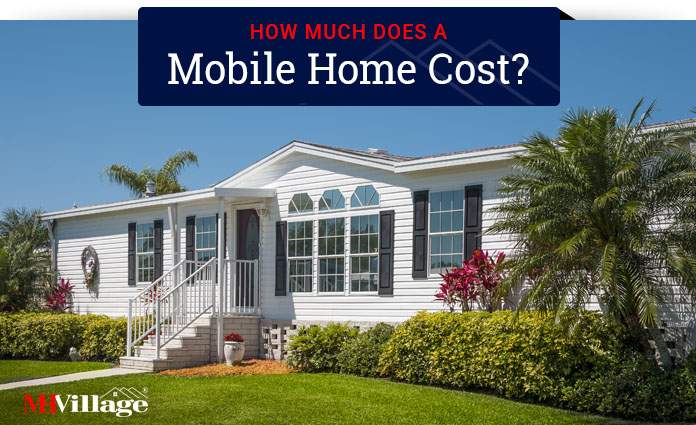
Ultimately, the cost of mobile home insurance is a reflection of the risk an insurer takes on. By understanding the contributing factors, such as the materials used in construction, the home’s safety features, and the local climate, you can better anticipate what you might expect to pay. This knowledge empowers you to have more informed conversations with insurance agents, compare quotes effectively, and ultimately find a policy that offers robust protection for your mobile home at a price that makes sense for your budget. This concept is explained in more detail in Full Coverage Auto Insurance Cost.
# Mobile Home Insurance Cost Understanding the intricacies of mobile home insurance cost is crucial for any owner of manufactured housing. Unlike traditional site-built homes, mobile homes present unique insurance considerations that directly influence the premiums you’ll pay. This detailed exploration delves into all the factors that contribute to the mobile home insurance cost, aiming to equip you with the knowledge to secure the most appropriate and affordable coverage. ## Factors Influencing Mobile Home Insurance Cost The mobile home insurance cost is not a one-size-fits-all figure. Numerous variables come into play, and insurers meticulously assess each one to determine your risk profile and, consequently, your premium. ### Age and Condition of the Mobile Home The age of your mobile home is a significant determinant of its mobile home insurance cost. Older homes, particularly those manufactured before the implementation of HUD (U.S. Department of Housing and Urban Development) codes in 1976, may be considered higher risk due to outdated construction standards and materials. These homes might be more susceptible to damage from wind, fire, or other perils. Pre-HUD Homes: Generally command higher insurance premiums due to perceived structural vulnerabilities. Post-HUD Homes: Built to more stringent safety and construction standards, often resulting in lower mobile home insurance cost. Condition: Regardless of age, the overall condition plays a vital role. A well-maintained mobile home with recent upgrades to roofing, electrical systems, and plumbing will likely have a lower mobile home insurance cost than a property showing signs of neglect or disrepair. Insurers may require an inspection to assess the condition. ### Location and Environmental Risks The geographical location of your mobile home is a paramount factor in calculating mobile home insurance cost. Areas prone to specific natural disasters will inherently have higher premiums. Wind Zones: Mobile homes are particularly vulnerable to high winds. States in hurricane-prone regions (e.g., Florida, Texas, the Gulf Coast) or tornado alleys will experience significantly higher mobile home insurance cost. Insurers often categorize regions into wind zones, with higher zones incurring greater premiums. Flood Zones: While standard mobile home insurance policies typically exclude flood damage, proximity to flood-prone areas can influence overall policy pricing or necessitate separate flood insurance, thereby increasing your total mobile home insurance cost. Wildfire Risk: Homes situated in or near areas with a high wildfire risk will also see an increase in their mobile home insurance cost. Crime Rates: Areas with higher crime rates might also contribute to a slightly elevated mobile home insurance cost due to increased risk of theft or vandalism. ### Value of the Mobile Home and Contents The declared value of your mobile home and its contents directly impacts the mobile home insurance cost. This value is typically determined by: Replacement Cost: This is the amount it would cost to replace your mobile home with a new one of similar kind and quality. This is often the preferred coverage for newer homes. Actual Cash Value (ACV): This is the replacement cost minus depreciation. ACV policies will pay out the current market value of your home and belongings at the time of a loss. This usually results in a lower mobile home insurance cost but provides less coverage. The more valuable your home and personal property, the higher the potential payout for the insurer, leading to a higher mobile home insurance cost. ### Type of Coverage Selected The types and levels of coverage you choose will significantly influence your mobile home insurance cost. Mobile home policies are typically structured similarly to homeowners insurance but with specific endorsements. Dwelling Coverage: Protects the physical structure of your mobile home. Other Structures Coverage: Covers detached structures like sheds or carports. Personal Property Coverage: Protects your belongings inside the home. Loss of Use Coverage: Covers additional living expenses if you’re temporarily displaced from your home due to a covered loss. Liability Coverage: Protects you if someone is injured on your property. Adding endorsements for specific perils (e.g., increased wind coverage, specific peril endorsements not typically covered) will increase your mobile home insurance cost. ### Deductibles The deductible is the amount you pay out-of-pocket before your insurance coverage kicks in. A higher deductible generally leads to a lower mobile home insurance cost, and vice versa. Lower Deductible: Means the insurer pays more in the event of a claim, leading to higher premiums. Higher Deductible: Means you assume more of the initial risk, resulting in lower premiums. It’s crucial to select a deductible that you can comfortably afford to pay in the event of a claim. ### Insurer and Underwriting Practices Different insurance companies have varying underwriting guidelines and risk appetites, which can lead to differences in mobile home insurance cost for the same property. Some insurers specialize in manufactured housing and may offer more competitive rates. It’s essential to shop around and get quotes from multiple reputable insurers. ### Installation and Foundation Type How your mobile home is installed and the type of foundation it rests on can impact your mobile home insurance cost. Anchoring and Strapping: Mobile homes that are properly anchored and strapped to a permanent foundation, often meeting specific local or state requirements, are generally considered more secure against wind damage. This can lead to a reduction in mobile home insurance cost. Permanent Foundation: Homes permanently affixed to a concrete foundation may be viewed as less mobile and more akin to traditional homes, potentially influencing premiums. ### Usage of the Mobile Home Whether your mobile home is used as a primary residence, a vacation home, or a rental property will affect the mobile home insurance cost. Primary Residence: Typically has the lowest premiums. Vacation Home: May have slightly higher premiums due to potential for extended vacancy and increased risk of theft or damage. Rental Property: Usually incurs the highest mobile home insurance cost due to increased risk of damage, liability claims from tenants, and potential for higher claim frequency. Landlord insurance policies are often required for rental properties. ### Claims History Your personal claims history is a significant factor in determining mobile home insurance cost. If you have a history of filing frequent claims, especially for preventable issues, insurers may view you as a higher risk, leading to increased premiums or difficulty obtaining coverage. ## Understanding Policy Structures for Mobile Homes Mobile homes can be insured through different types of policies, each with implications for the mobile home insurance cost. ### Mobile Home Insurance Policies (Personal Lines) These policies are designed for individuals who own and occupy their mobile homes as their primary residence. They are often referred to as “HO-7” policies in some regions, though the terminology can vary. These policies are comprehensive and designed to cover the dwelling, other structures, personal property, loss of use, and liability. The mobile home insurance cost for these policies is based on the factors previously discussed. ### Landlord Policies for Mobile Homes If you own a mobile home and rent it out to others, you will need a landlord policy. These policies are distinct from personal lines insurance and focus on protecting the property owner from risks associated with being a landlord. They typically cover the dwelling, other structures, and provide liability protection. The mobile home insurance cost for landlord policies is generally higher than for personal use due to the increased risks associated with tenants. ### Flood Insurance and Mobile Homes Standard mobile home insurance policies almost universally exclude flood damage. If your mobile home is located in a flood-prone area, you will likely need to purchase a separate flood insurance policy through the National Flood Insurance Program (NFIP) or a private flood insurer. The mobile home insurance cost for flood insurance is determined by flood zone maps and the elevation of your home. ### Windstorm and Hail Coverage In high-risk wind zones, insurers may offer separate windstorm and hail coverage or require a specific deductible for these perils. This can significantly impact the overall mobile home insurance cost. Some states have wind pools or specialized insurers to provide coverage in areas where standard insurers are reluctant to offer it. ## Strategies to Reduce Mobile Home Insurance Cost While many factors influencing mobile home insurance cost are beyond your control, several strategies can help you secure more affordable coverage. ### Shop Around and Compare Quotes This is arguably the most effective way to reduce your mobile home insurance cost. Obtain quotes from at least three to five different insurance providers that specialize in or offer mobile home insurance. Compare not only the premiums but also the coverage limits, deductibles, and exclusions to ensure you are getting the best value. ### Increase Your Deductible As mentioned earlier, opting for a higher deductible can significantly lower your annual mobile home insurance cost. Just ensure the deductible amount is something you can comfortably manage if you need to file a claim. ### Bundle Your Policies Many insurance companies offer discounts if you bundle your mobile home insurance with other policies, such as auto insurance or recreational vehicle insurance, with the same provider. This can lead to substantial savings on your overall mobile home insurance cost. ### Improve Home Security Installing security systems, smoke detectors, carbon monoxide detectors, and deadbolt locks can not only enhance your safety but also potentially lower your mobile home insurance cost. Insurers often offer discounts for homes with these safety features. ### Maintain Your Mobile Home Regular maintenance and prompt repairs can prevent small issues from becoming major claims. A well-maintained home is viewed as less risky, which can positively impact your mobile home insurance cost. Keep records of any upgrades or improvements made to your home, as these can sometimes be factored into your policy. ### Review Your Coverage Annually Your insurance needs can change over time. Annually review your policy to ensure your coverage limits still accurately reflect the value of your mobile home and belongings. Adjusting coverage if it’s too high or too low can help optimize your mobile home insurance cost. ### Consider a Monoline Policy If you own the land your mobile home is on separately, you might be able to insure the home and the land with different policies. In some cases, a monoline policy covering only the mobile home structure might be more cost-effective than a comprehensive homeowners policy, though this depends heavily on your specific situation and insurer offerings. This can influence your overall mobile home insurance cost. ### Discounts for Specific Groups Inquire about any available discounts. Some insurers offer discounts for: Seniors: If the policyholder is over a certain age. Military Personnel: For active duty or veteran status. Responsible Claims History: For policyholders with a long history of no claims. Affiliation with certain organizations or employers. These discounts can contribute to a lower mobile home insurance cost. ## Common Challenges in Mobile Home Insurance Navigating the world of mobile home insurance can present unique challenges that affect the mobile home insurance cost. ### Availability of Coverage In some high-risk areas, finding comprehensive mobile home insurance can be challenging. Insurers may offer limited coverage, impose higher deductibles, or charge significantly higher premiums, increasing the mobile home insurance cost. This is particularly true for older homes or those in areas prone to hurricanes or wildfires. ### Depreciation and ACV vs. Replacement Cost The debate between Actual Cash Value (ACV) and Replacement Cost coverage is a common point of contention. While ACV policies result in a lower mobile home insurance cost, they may not provide enough to fully replace your home or belongings after a loss, as depreciation is factored in. Understanding this trade-off is vital when assessing your mobile home insurance cost. ### Understanding Policy Exclusions Mobile home insurance policies, like all insurance policies, have exclusions. Common exclusions include flood damage, earthquake damage, and wear and tear. It’s crucial to read your policy carefully to understand what is not covered, as this can impact your overall financial exposure and indirectly affect how you perceive the value of your mobile home insurance cost. ### Financing Requirements If you have a loan on your mobile home, your lender will likely require you to carry comprehensive and collision coverage, as well as fire and extended coverage. This requirement can dictate the minimum mobile home insurance cost you will need to pay. ## Conclusion The mobile home insurance cost is a complex equation influenced by a multitude of factors, from the age and location of your home to the specific coverage you choose. By understanding these elements and employing strategies to mitigate risk and shop wisely, you can secure appropriate and affordable protection for your valuable asset. Regularly reviewing your policy and staying informed about changes in your home or local risks will ensure your mobile home insurance cost remains competitive and your coverage remains adequate.