Construction Liability Insurance – Embarking on any construction project, from a modest home renovation to a sprawling commercial development, comes with an inherent set of risks. Beyond the physical build itself, there are numerous potential liabilities that can arise, impacting not only the project’s budget but also the reputation and financial stability of all parties involved. This is precisely where Construction Liability Insurance steps in, acting as a crucial safety net designed to protect against unforeseen events and claims that could otherwise prove devastating. It’s an essential component of responsible project management, offering peace of mind by covering a spectrum of potential damages and legal expenses.
At its core, Construction Liability Insurance is a specialized form of coverage tailored to the unique exposures faced within the construction industry. It typically encompasses protection against claims of bodily injury or property damage to third parties that occur as a result of the contractor’s or subcontractor’s work or operations. This can range from a visitor tripping over debris on a job site to damage caused by faulty workmanship affecting a neighboring property. Without adequate coverage, a single incident could lead to significant financial burdens, including legal defense costs, settlement payouts, and potential judgments, which can severely jeopardize the future of a business or individual undertaking the construction.
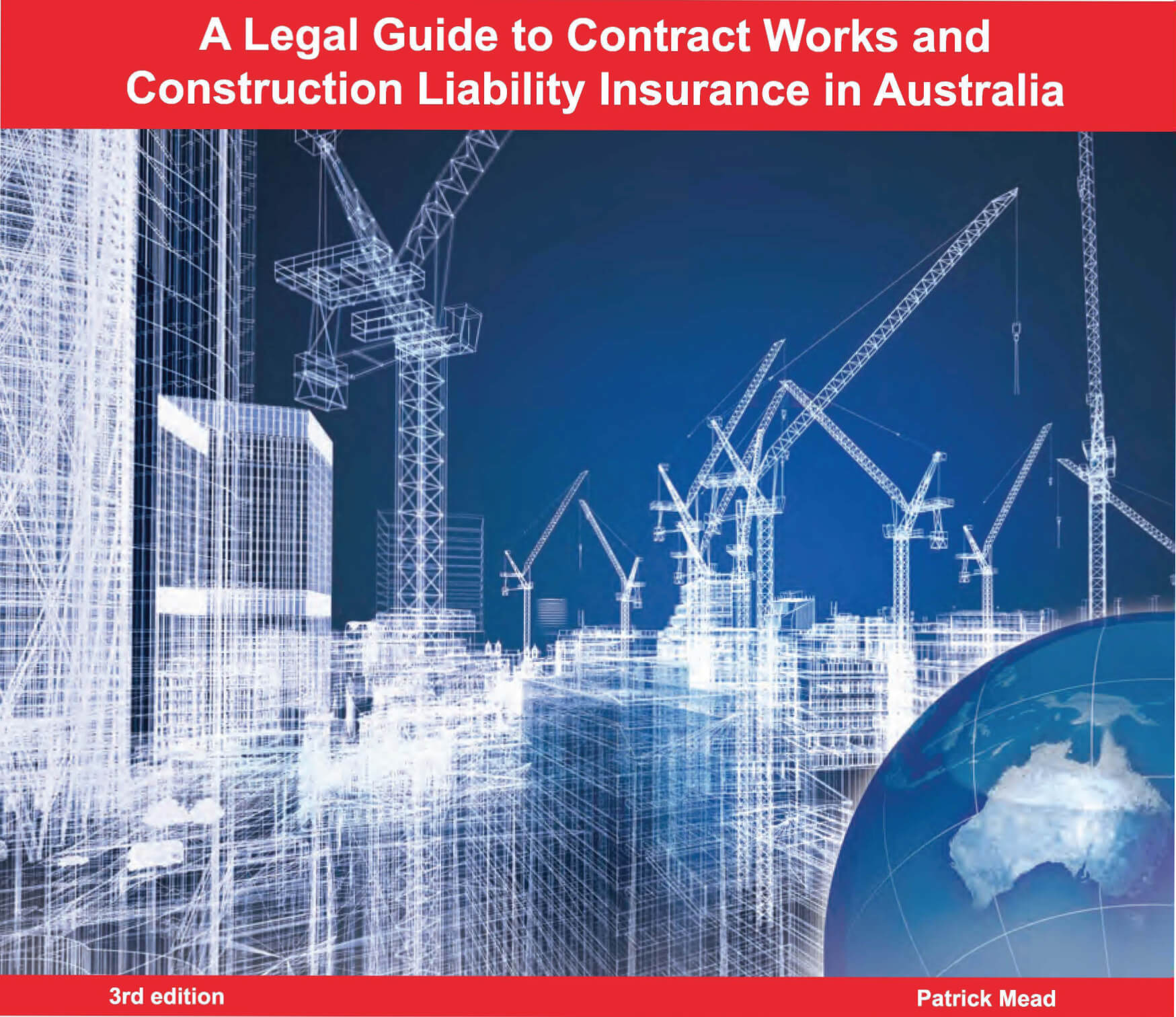
Understanding the nuances of Construction Liability Insurance is therefore paramount for anyone involved in building or development. It’s not merely a transactional purchase but a strategic investment in risk mitigation. This insurance provides a framework for addressing the inevitable uncertainties of construction, ensuring that projects can proceed with a greater degree of confidence. A reliable reference on this topic is Business Liability Insurance Cost. By anticipating potential hazards and securing appropriate coverage, stakeholders can focus on delivering quality results while safeguarding themselves against the financial repercussions of accidents and claims that are an unfortunate, yet often unavoidable, part of the construction landscape.
# Construction Liability Insurance Construction projects, by their very nature, are complex undertakings fraught with inherent risks. From the initial groundbreaking to the final handover, numerous potential hazards can arise, impacting not only the project itself but also third parties, including the public, adjacent properties, and the client’s assets. This is where Construction Liability Insurance becomes an indispensable safeguard, providing a critical layer of financial protection against claims for bodily injury or property damage that may occur during the course of construction. Understanding the nuances of this vital insurance coverage is paramount for any entity involved in the construction industry, from individual contractors to large-scale developers. ## Understanding the Core of Construction Liability Insurance At its heart, Construction Liability Insurance is designed to cover damages that a construction company or its subcontractors may be legally obligated to pay as a result of causing bodily injury or property damage to a third party. This is distinct from insurance that covers damage to the project itself (like Builder’s Risk Insurance) or damage to the contractor’s own equipment. The focus is squarely on the liability arising from the operations performed on-site. ### Key Coverages within Construction Liability Insurance While the umbrella term is Construction Liability Insurance, it often encompasses several distinct types of coverage, each addressing specific risks: General Liability Insurance (GLI): This is the foundational component. It covers a broad range of third-party claims that arise from the contractor’s business operations. This includes: Bodily Injury: If a passerby trips over improperly secured materials on a construction site and sustains an injury, GLI can cover medical expenses, lost wages, and pain and suffering. Property Damage: If a contractor’s actions inadvertently damage a neighboring property (e.g., vibrations from demolition causing structural cracks), GLI can cover the cost of repairs or replacement. Personal and Advertising Injury: This category covers offenses like libel, slander, copyright infringement in advertising, and wrongful eviction. While less common in direct construction scenarios, it’s a standard part of GLI. Medical Payments: This coverage pays for minor medical expenses for individuals injured on the contractor’s premises or as a result of their operations, regardless of fault. It’s designed to handle small claims quickly without the need for protracted legal proceedings. Products-Liability Coverage: This is crucial for contractors who manufacture, distribute, or sell products. In the construction context, it often extends to the work performed. If faulty workmanship or defective materials installed by the contractor lead to injury or damage after the project is completed and handed over, this coverage can respond. For instance, if a newly installed HVAC system malfunctions and causes a fire, products-liability coverage related to the installation work would be essential. Completed Operations Coverage: This is a vital extension of General Liability Insurance that specifically covers claims arising from completed work after the contractor has finished the job and the client has taken possession. This is particularly important because defects or issues may not become apparent until well after the project is ostensibly finished. A leaky roof installed years ago that now causes significant water damage to a building would fall under completed operations. Construction Liability Insurance policies often have a designated period for completed operations coverage. ### Exclusions to Be Aware Of It is critical to understand that Construction Liability Insurance policies are not all-encompassing. Common exclusions often include: Damage to the contractor’s own work or property: This is typically covered by Builder’s Risk Insurance or other property insurance. Damage to property in the contractor’s care, custody, or control (CCC): While GLI might cover some instances, specific exclusions can apply to property that the contractor is actively working on or responsible for storing. Workers’ Compensation Claims: Injuries to employees are covered by Workers’ Compensation insurance, not GLI. Intentional Acts: Damages caused intentionally by the insured are typically not covered. Contractual Liability: While GLI can cover liability assumed under certain contracts, broad indemnification clauses can sometimes be excluded or require specific endorsements. Pollution and Environmental Hazards: Standard GLI policies often have significant exclusions for pollution-related claims, requiring specialized environmental liability insurance. Professional Errors and Omissions: If the claim arises from faulty design, planning, or consulting services, Professional Liability (Errors & Omissions) insurance would be needed, not standard construction liability. ## Specialized Forms of Construction Liability Insurance Beyond the core General Liability, the construction industry often requires more specialized forms of Construction Liability Insurance to address unique project risks and contractual demands. ### Commercial General Liability (CGL) for Contractors For most construction businesses, the primary policy is a Commercial General Liability (CGL) policy. This policy is designed to protect against claims of bodily injury and property damage arising from the contractor’s premises, operations, products, and completed work. When discussing Construction Liability Insurance, CGL is usually the starting point. ### Wrap-Up Insurance Programs (OCIPs and CCIPs) Large, complex construction projects often utilize “wrap-up” insurance programs. These are project-specific insurance policies that consolidate coverage for all or most of the parties involved in a particular project, including the owner, general contractor, and subcontractors. Owner Controlled Insurance Program (OCIP): In an OCIP, the project owner purchases and controls the insurance program for the entire project. This provides a single, unified layer of Construction Liability Insurance for the project. Contractor Controlled Insurance Program (CCIP): Conversely, a CCIP is controlled and purchased by the general contractor. Wrap-up programs offer several advantages: Cost Savings: By pooling risk and eliminating redundant coverage, wrap-ups can sometimes be more cost-effective than individual policies for each entity. Standardized Coverage: All participants operate under the same policy terms and limits, reducing disputes over coverage gaps. Improved Risk Management: The project owner or contractor can implement more robust safety programs and claims management processes across the entire site. Ensured Minimum Limits: Guarantees that all parties have adequate Construction Liability Insurance coverage, preventing a subcontractor’s inadequate insurance from leaving the project vulnerable. ### Umbrella and Excess Liability Policies Given the high-value claims that can arise in construction, standard CGL limits may not be sufficient. Umbrella and Excess Liability policies provide an additional layer of coverage above the limits of the underlying GLI and Auto Liability policies. Umbrella Liability: This policy typically follows the form of the underlying policies but provides higher limits. It can also extend coverage to some claims not covered by the primary policies (known as “drop-down” coverage), though this varies by policy. Excess Liability: This policy simply increases the limits of the underlying policies. It generally does not provide coverage for claims not covered by the primary policies. These policies are crucial for protecting against catastrophic losses that could otherwise bankrupt a construction firm. The limits for Construction Liability Insurance in these excess layers can often reach tens or even hundreds of millions of dollars. ### Contractual Liability Insurance Construction contracts frequently include indemnification clauses, where one party agrees to hold another harmless from certain liabilities. Contractual Liability Insurance is an endorsement or specific policy that covers the insured’s liability assumed under a contract. This is particularly relevant for contractors who agree to indemnify owners or other parties against specific risks. Without this, a standard GLI might not cover liability assumed purely by contract. ### Additional Insured Endorsements In many construction contracts, the owner, developer, or a prime contractor will require subcontractors to add them as “Additional Insureds” on their Construction Liability Insurance policies. This endorsement extends the contractor’s policy to cover the additional insured for claims arising from the contractor’s operations. This ensures that if a claim arises from the subcontractor’s work, the owner or general contractor has direct access to the subcontractor’s insurance. ## Factors Influencing Construction Liability Insurance Costs The premium for Construction Liability Insurance is not a one-size-fits-all figure. It is influenced by a multitude of factors, reflecting the inherent risk profile of the construction project and the contractor’s operations. ### Project Scope and Value Total Project Cost: Larger and more expensive projects generally command higher premiums. The sheer scale of operations and potential for widespread damage increases the risk. Contract Value: The value of the contracts being undertaken is a primary driver. Higher contract values often correlate with more complex and potentially riskier work. ### Type of Construction Residential vs. Commercial vs. Industrial: Different types of construction carry varying risk profiles. High-rise buildings, complex industrial facilities, or projects involving hazardous materials will typically have higher premiums than standard residential renovations. Specialty Trades: Certain trades, such as roofing, excavation, demolition, crane operations, or electrical work, are inherently riskier and will result in higher Construction Liability Insurance costs. ### Contractor’s Experience and Safety Record Years in Business: A contractor with a long, established history and a proven track record may receive lower premiums than a new entrant. Claims History (Loss Run): The most significant factor for many insurers is the contractor’s past claims history. Frequent or large claims will lead to substantially higher premiums or even difficulty obtaining coverage. Insurers will scrutinize “loss runs” for the past 3-5 years. Safety Programs and Procedures: Robust safety protocols, regular training, and a commitment to safety can significantly reduce premiums. Insurers often inquire about specific safety measures and certifications. ### Geographic Location Geographic Area: Construction costs and litigation environments vary by region. Areas with higher rates of litigation, more severe weather events (e.g., hurricane zones), or specific regulatory requirements may have higher insurance costs. ### Subcontractor Management Subcontractor Vetting: How well a general contractor vets and manages its subcontractors can impact its own Construction Liability Insurance premiums. A contractor that ensures its subcontractors have adequate insurance and a good safety record will be viewed more favorably. ### Policy Limits and Deductibles Coverage Limits: Higher policy limits for Construction Liability Insurance naturally lead to higher premiums. Deductibles: Choosing higher deductibles (the amount the insured pays out-of-pocket before insurance kicks in) will generally lower the premium. However, this shifts more financial responsibility to the contractor. ## Navigating Claims with Construction Liability Insurance When an incident occurs that could lead to a claim under Construction Liability Insurance, prompt and accurate action is crucial for a smooth claims process. ### Initial Steps After an Incident 1. Ensure Safety: The immediate priority is to ensure the safety of all individuals on or near the site. 2. Document Everything: Meticulously document the incident. This includes taking photographs and videos of the scene, the damage, any contributing factors, and the injured parties (if applicable and appropriate). 3. Gather Witness Information: Obtain contact details for any witnesses to the incident. 4. Notify the Insurer Promptly: Contact your insurance broker or the insurance company directly as soon as possible. Most policies have strict notification requirements, and delays can jeopardize coverage. 5. Preserve Evidence: Do not disturb the scene or dispose of any materials that might be relevant evidence without consulting your insurer. 6. Avoid Admitting Fault: Do not admit fault or liability to the injured party or their representatives. Let the insurance adjusters handle the investigation and determination of liability. ### The Claims Investigation Process Once notified, the insurance company will assign an adjuster to investigate the claim. This process typically involves: Reviewing the Policy: The adjuster will examine the Construction Liability Insurance policy to determine coverage applicability and limits. Interviewing Parties: The adjuster will interview the insured, the claimant, and any witnesses. Gathering Evidence: This includes reviewing the documentation provided by the insured, accident reports, and potentially hiring experts (e.g., engineers, accident reconstruction specialists) to assess the cause and extent of damage or injury. Determining Liability: Based on the investigation, the adjuster will determine who is liable for the incident. Negotiating Settlements: If liability is established, the adjuster will negotiate a settlement with the claimant or their legal representatives. Defending the Insured: If a lawsuit is filed, the insurer will typically appoint legal counsel to defend the insured against the claim, up to the policy limits. ## The Importance of Risk Management and Prevention While Construction Liability Insurance is a vital financial backstop, it is not a substitute for robust risk management and proactive safety measures. The most effective strategy involves minimizing the likelihood of incidents occurring in the first place. ### Proactive Safety Measures Comprehensive Site Safety Plans: Develop and rigorously enforce site-specific safety plans that address all potential hazards. Regular Training: Ensure all workers receive ongoing safety training relevant to their tasks and the project environment. Proper Equipment and Maintenance: Use appropriate safety equipment and ensure all tools and machinery are regularly inspected and maintained. Clear Communication: Maintain clear lines of communication regarding safety protocols and potential hazards. Job Hazard Analysis (JHA): Conduct JHAs for specific tasks to identify and mitigate risks before work begins. ### Contractual Due Diligence Scrutinize Contracts: Carefully review all contract clauses, particularly those related to indemnification, insurance requirements, and waivers of subrogation. Verify Subcontractor Insurance: Always verify that subcontractors carry adequate Construction Liability Insurance and are compliant with contractual requirements. Request Certificates of Insurance (COIs) and review them thoroughly. ### Documentation and Record-Keeping Maintain Detailed Records: Keep meticulous records of all safety meetings, training sessions, inspections, and incident reports. This documentation can be invaluable in defending against claims or demonstrating due diligence. By integrating these risk management principles, construction companies can not only reduce the frequency and severity of claims but also potentially lower their Construction Liability Insurance premiums over time. Construction Liability Insurance is a complex but essential component of any construction business’s risk management strategy. It protects against the significant financial and legal ramifications of third-party claims, allowing companies to operate with greater confidence and security. A thorough understanding of its various coverages, exclusions, and the factors that influence its cost is critical for ensuring adequate protection in the dynamic and often hazardous world of construction.