Private Health Insurance Plans USA – Navigating the landscape of healthcare in the United States can often feel like an intricate maze, and a significant part of that journey involves understanding private health insurance plans. Unlike systems where healthcare is primarily government-funded, a substantial portion of Americans rely on private insurance to access medical services. These plans, offered by a multitude of companies, come in various forms, each with its own set of benefits, costs, and coverage limitations. From employer-sponsored group plans to individual policies purchased directly, the options are diverse, catering to different needs, budgets, and health profiles. Deciphering the nuances of deductibles, co-pays, premiums, and out-of-pocket maximums is crucial for making an informed decision that aligns with your personal health requirements and financial situation.
The fundamental purpose of private health insurance is to mitigate the financial burden of medical expenses. When you enroll in a plan, you typically pay a regular premium to the insurance provider. In return, the insurer agrees to cover a portion of your healthcare costs, which can include doctor’s visits, hospital stays, prescription medications, and various medical procedures. The specific services covered, the extent of that coverage, and the patient’s financial responsibility are all outlined in the insurance policy. Understanding these details is paramount, as a seemingly attractive premium might mask higher out-of-pocket expenses when you actually need to utilize your benefits. This is where the concept of network providers also becomes important, as using doctors and facilities within the insurance company’s network usually results in lower costs.
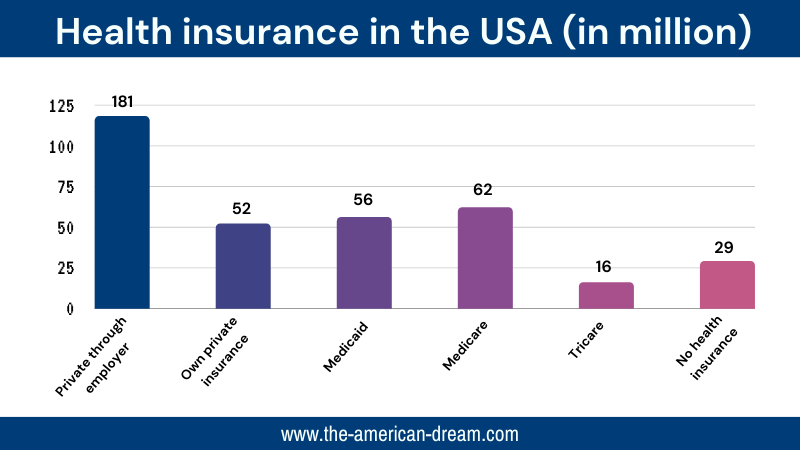
Furthermore, the private health insurance market in the USA is characterized by a wide array of plan types, each designed to offer different levels of flexibility and cost-effectiveness. Preferred Provider Organizations and Health Maintenance Organizations are two of the most common structures, each with distinct rules regarding choosing healthcare providers and seeking specialist care. Beyond these, you might encounter Exclusive Provider Organizations or Point of Service plans, further expanding the choices. For deeper understanding, see Best Car Insurance Companies USA. For individuals and families not covered by an employer, the Health Insurance Marketplace, established by the Affordable Care Act, provides a platform to compare and purchase individual plans, often with subsidies available based on income. The sheer variety underscores the importance of thorough research and careful consideration to secure a plan that offers the best balance of protection and affordability for your unique circumstances.
Private Health Insurance Plans USA
Understanding the Landscape of Private Health Insurance Plans in the USA
Navigating the complexities of private health insurance plans in the USA can feel like a daunting task. Unlike countries with universal healthcare systems, the United States relies heavily on a private insurance market, often employer-sponsored, but also available directly to individuals and families. This decentralization means a vast array of options, each with its own set of benefits, costs, and limitations. For those seeking coverage outside of government programs like Medicare or Medicaid, understanding the nuances of private health insurance plans USA is paramount to ensuring adequate medical care without incurring crippling financial burdens.
Types of Private Health Insurance Plans USA
The primary distinction in private health insurance plans USA lies in how they manage provider networks and the flexibility they offer in choosing healthcare providers. Each type comes with a different balance of cost, choice, and administrative ease.
Health Maintenance Organization (HMO) Plans
HMOs are a popular type of private health insurance. They typically require you to choose a primary care physician (PCP) from within their network. This PCP acts as your main point of contact for healthcare and is responsible for coordinating your care, including referring you to specialists within the HMO network. You generally do not need referrals to see specialists within the HMO, but you must stay within the network for most services to have them covered, except in emergencies. HMOs often have lower monthly premiums and out-of-pocket costs compared to other plan types, but offer less flexibility in provider choice.
Preferred Provider Organization (PPO) Plans
PPO plans offer more flexibility than HMOs. They have a network of “preferred” providers, and you generally pay less if you use doctors, hospitals, and other healthcare providers within this network. However, PPOs also allow you to seek care from providers outside of the network, though you will typically pay more for these out-of-network services. You usually do not need a referral from a PCP to see a specialist, making them a good option for individuals who want more control over their healthcare choices. Premiums and out-of-pocket costs for PPOs are often higher than for HMOs.
Exclusive Provider Organization (EPO) Plans
EPO plans blend features of HMOs and PPOs. Like an HMO, you must generally use doctors, hospitals, and providers within the EPO’s network to get coverage, except in emergencies. However, unlike an HMO, you typically do not need to select a PCP and may not need referrals to see a specialist within the network. If you go outside the network for care, EPOs usually won’t cover it, except in emergencies. EPOs can offer a middle ground in terms of cost and flexibility.
Point of Service (POS) Plans
POS plans combine elements of both HMOs and PPOs. You typically need to choose a PCP from within the plan’s network, and you’ll need a referral from your PCP to see a specialist. If you see a provider within the network, you’ll generally pay less. However, POS plans also allow you to go out-of-network for care, but you will likely pay more, and you may need to file claims yourself. These plans offer more flexibility than HMOs but often involve more paperwork and higher costs when seeking out-of-network care.
Catastrophic Health Plans
These are a type of private health insurance plan USA designed for individuals under 30 or those experiencing financial hardship. They have lower monthly premiums but very high deductibles. They are intended to protect individuals from the worst-case scenarios, like a severe illness or accident, by covering essential health benefits after a very high deductible is met. They are not designed for routine medical care.
Key Components of Private Health Insurance Plans USA
Beyond the plan type, several critical components define the structure and cost of any private health insurance plan USA. Understanding these terms is essential for making an informed decision.
Premiums
The premium is the amount you pay each month to have health insurance. This payment is typically made regardless of whether you use medical services. Premiums can vary significantly based on factors like your age, location, the type of plan, and the level of coverage. For employer-sponsored plans, a portion of the premium is often subsidized by your employer.
Deductibles
A deductible is the amount you pay out-of-pocket for covered healthcare services before your insurance plan starts to pay. For example, if your deductible is $1,000, you’ll pay the first $1,000 of covered services yourself. Higher deductibles usually mean lower monthly premiums, and vice versa. Plans often have separate deductibles for individuals and families, and sometimes for specific services like prescription drugs.
Copayments (Copays)
A copayment is a fixed amount you pay for a covered healthcare service after you’ve met your deductible. For instance, you might have a $25 copay for a doctor’s visit or a $50 copay for a specialist visit. Copays vary depending on the type of service and the plan.
Coinsurance
Coinsurance is your share of the costs of a covered healthcare service, calculated as a percentage (e.g., 20%) of the allowed amount for the service. For example, if your coinsurance is 20% and the allowed amount for a service is $100, you’ll pay $20, and your insurance plan will pay the remaining $80. Coinsurance typically kicks in after you’ve met your deductible.
Out-of-Pocket Maximum
The out-of-pocket maximum is the most you’ll have to pay for covered services in a plan year. After you spend this amount on deductibles, copayments, and coinsurance, your health insurance plan pays 100% of the costs of covered benefits for the rest of the year. This is a crucial protection against extremely high medical expenses.
Networks
Most private health insurance plans USA operate with a network of doctors, hospitals, and other healthcare providers. Staying within this network usually results in lower costs. If you seek care from out-of-network providers, you will likely incur higher out-of-pocket expenses, and some plans may not offer any coverage at all.
Where to Obtain Private Health Insurance Plans USA
For individuals and families not covered by an employer, several avenues exist for acquiring private health insurance plans USA.
Employer-Sponsored Health Insurance
This is the most common way Americans get health insurance. If you are employed, your employer may offer health insurance as a benefit. These plans are often more affordable because employers typically subsidize a portion of the premium. The variety of plans offered can differ greatly from one employer to another.
The Health Insurance Marketplace (Affordable Care Act – ACA Marketplaces)
Established by the Affordable Care Act (ACA), these marketplaces offer a way for individuals and families to compare and enroll in private health insurance plans. Plans sold on the Marketplace are categorized into metal tiers (Bronze, Silver, Gold, Platinum), reflecting different levels of coverage and costs. Subsidies (premium tax credits and cost-sharing reductions) are available for individuals and families who meet certain income requirements, making these plans more affordable.
Direct Purchase from Insurance Companies
You can also purchase private health insurance plans USA directly from insurance carriers. This offers a wide range of options, but it’s crucial to compare plans carefully, as you may not be eligible for ACA subsidies if you purchase directly outside the Marketplace.
Short-Term Health Insurance
These plans offer temporary coverage for periods ranging from a few months to a year, and can often be renewed. They are typically less expensive than ACA-compliant plans but offer limited benefits and do not cover pre-existing conditions. They are not considered comprehensive coverage and do not meet the requirements of the ACA.
Factors to Consider When Choosing a Private Health Insurance Plan USA
Selecting the right private health insurance plan USA requires careful consideration of your personal circumstances and healthcare needs.
Your Health Status and Needs
Consider your current health conditions, any chronic illnesses you manage, and your family’s general health. If you anticipate needing frequent doctor visits, specialist care, or prescription medications, a plan with lower out-of-pocket costs and broader network coverage might be more suitable, even if the premium is higher.
Provider Network Preferences
Do you have a preferred doctor or hospital you wish to continue seeing? If so, verify that they are in the network of any plan you are considering. For those who value flexibility, PPO or POS plans might be more appealing, even with higher costs.
Budget and Affordability
Evaluate your financial situation. Can you afford a higher monthly premium for lower out-of-pocket costs, or do you prefer a lower premium with the understanding that you’ll pay more when you access care? Always factor in deductibles, copays, coinsurance, and the out-of-pocket maximum when assessing overall affordability.
Prescription Drug Coverage
If you take regular medications, review the plan’s formulary (list of covered drugs) and the associated copays or coinsurance. Some plans have tiered drug costs, with generics being the least expensive and brand-name or specialty drugs costing more.
Additional Benefits
Some plans offer additional benefits beyond standard medical care, such as dental, vision, or wellness programs. Consider if these extras are important to you and if they are included or available as add-ons.
Navigating the Enrollment Process
Enrolling in private health insurance plans USA typically occurs during specific enrollment periods. The most common is the annual Open Enrollment Period for ACA Marketplaces, which usually runs from November 1st to January 15th of the following year. Outside of this period, you may qualify for a Special Enrollment Period if you experience a qualifying life event, such as losing other health coverage, getting married, having a baby, or moving.
For employer-sponsored plans, enrollment usually happens when you are first hired or during your employer’s annual open enrollment period.
The Role of Brokers and Navigators
For many, the complexity of private health insurance plans USA makes seeking expert guidance beneficial. Health insurance brokers and ACA navigators can assist individuals in understanding their options, comparing plans, and completing the enrollment process. Brokers are licensed professionals who earn commissions from insurance companies, while navigators are often trained by government or non-profit organizations and provide free assistance.
Understanding Coverage Gaps and Limitations
It is crucial to be aware that not all medical services are covered by every private health insurance plan USA. Common exclusions can include cosmetic surgery, experimental treatments, and long-term care. Understanding what is and isn’t covered before you need care can prevent unexpected financial surprises. Always read the Summary of Benefits and Coverage (SBC) document for a clear overview of what your plan includes.