High Risk Auto Insurance Companies – Apakah Anda pernah merasa terpinggirkan dalam dunia asuransi mobil hanya karena riwayat mengemudi Anda? Jika ya, Anda tidak sendirian. Bagi sebagian pengemudi, mendapatkan perlindungan asuransi mobil yang terjangkau bisa menjadi perjuangan yang melelahkan, terutama ketika Anda dikategorikan sebagai “pengemudi berisiko tinggi.” Namun, berita baiknya adalah ada solusi, dan artikel ini akan membukakan jalan bagi Anda untuk memahaminya.
Selamat datang, para pengemudi yang mencari kepastian di jalanan! Artikel ini akan mengupas tuntas mengenai perusahaan asuransi mobil berisiko tinggi – entitas yang seringkali disalahpahami namun memegang peranan krusial dalam memberikan perlindungan bagi individu yang tidak dapat dipenuhi oleh penyedia asuransi konvensional. Kita akan menyelami apa sebenarnya yang mendefinisikan “risiko tinggi” dalam konteks asuransi mobil, mengapa penting untuk memahami lanskap ini, dan bagaimana Anda dapat menavigasinya dengan lebih cerdas.
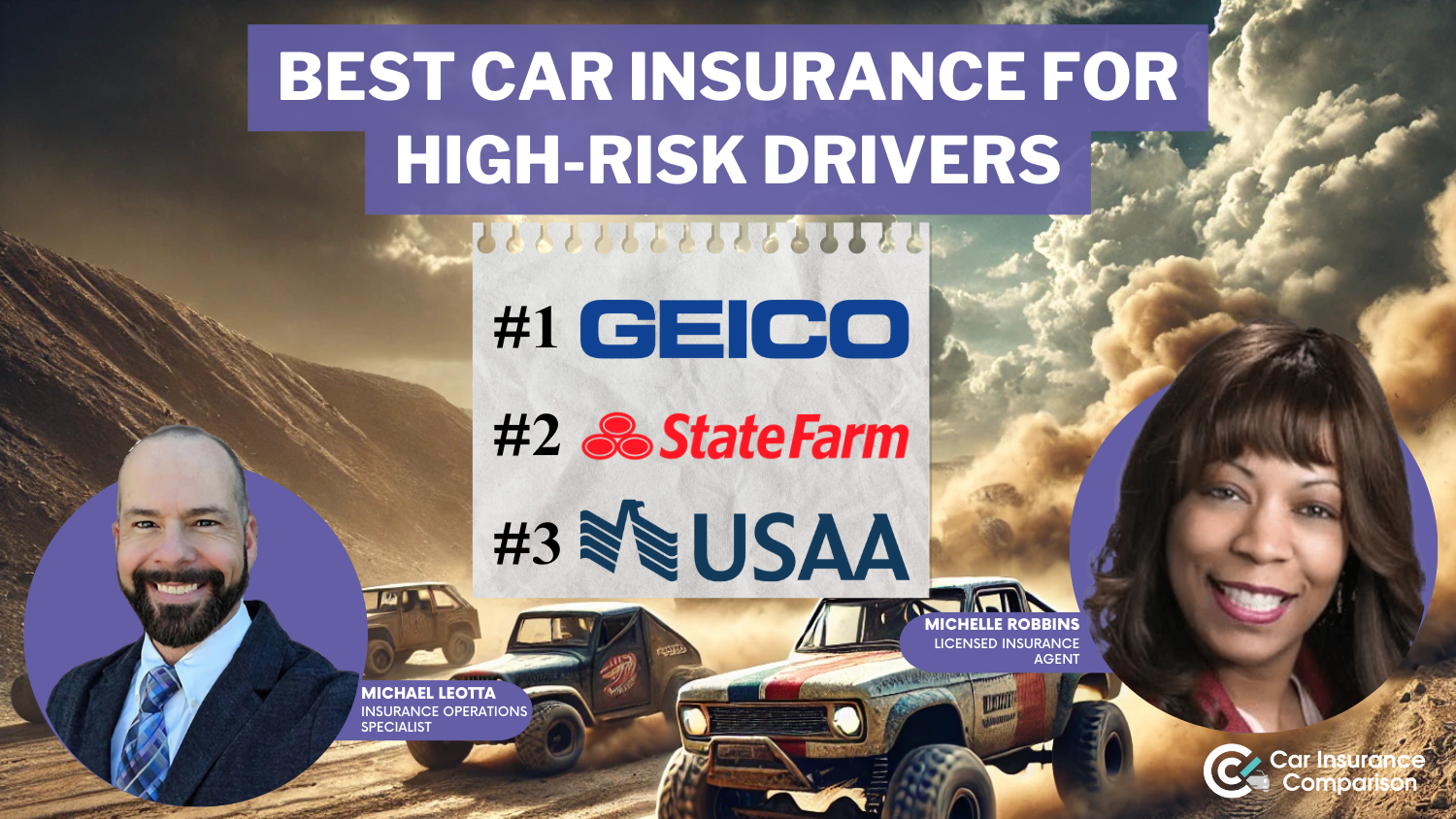
Dalam beberapa tahun terakhir, kita melihat peningkatan signifikan dalam premi asuransi mobil, bahkan bagi pengemudi dengan rekam jejak bersih. Bagi mereka yang memiliki catatan lalu lintas yang kurang sempurna, seperti pelanggaran kecepatan, kecelakaan, atau bahkan DUI , tantangannya menjadi berlipat ganda. Di sinilah peran perusahaan asuransi mobil berisiko tinggi menjadi sangat vital. Artikel ini dirancang untuk membekali Anda dengan pengetahuan yang Anda butuhkan untuk membuat keputusan yang tepat, mulai dari memahami faktor-faktor yang memengaruhi kelayakan Anda, hingga strategi untuk menemukan polis yang paling sesuai dengan kebutuhan dan anggaran Anda.
Bersiaplah untuk mendapatkan panduan komprehensif yang akan membantu Anda tidak hanya memahami seluk-beluk asuransi mobil berisiko tinggi, tetapi juga memberdayakan Anda untuk mendapatkan perlindungan yang layak Anda dapatkan. Kita akan membahas berbagai jenis perusahaan yang melayani segmen ini, perbedaan dalam penawaran mereka, dan bagaimana Anda dapat membandingkan opsi untuk memastikan Anda mendapatkan nilai terbaik. Dengan informasi yang tepat, Anda dapat mengubah persepsi Anda tentang asuransi mobil berisiko tinggi dari sebuah rintangan menjadi sebuah solusi yang dapat diandalkan. Further details are available in Full Coverage Auto Insurance Cost.
High Risk Auto Insurance Companies: Navigating the Complex Landscape for Drivers with Challenging Histories
For many drivers, obtaining affordable auto insurance is a straightforward process. However, for a specific segment of the population, the journey to secure adequate coverage is fraught with challenges. This is the realm of high risk auto insurance companies. These specialized insurers cater to individuals whose driving records, vehicle types, or other factors classify them as statistically more likely to file a claim. Understanding this niche market is crucial for drivers who find themselves navigating this complex terrain, often after facing standard insurance denials or exorbitant premiums.
The term “high risk” is not a subjective judgment but a classification based on actuarial data and risk assessment models. Drivers deemed high risk typically exhibit one or more of the following characteristics:
- Poor Driving Records: This is the most common factor. It includes multiple moving violations (speeding tickets, running red lights, improper lane changes), at-fault accidents, and especially DUI/DWI convictions. The severity and recency of these incidents significantly impact risk classification.
- Lack of Driving Experience: New drivers, particularly teenagers, are often classified as high risk due to their limited experience and statistically higher accident rates.
- Prior Insurance Issues: A history of lapsed insurance coverage, non-payment of premiums, or previous policy cancellations by an insurer can flag a driver as higher risk.
- Specific Vehicle Types: Sports cars, high-performance vehicles, or vehicles with a history of being stolen or involved in frequent accidents may also fall into a higher risk category.
- Geographic Location: Certain urban areas with higher rates of accidents, vehicle theft, or uninsured drivers can lead to higher premiums for all drivers in that region, and individuals in these areas might be perceived as higher risk.
Understanding the Underwriting Process for High Risk Drivers
Unlike standard auto insurance providers who may decline coverage outright or offer prohibitively expensive policies to high-risk drivers, high risk auto insurance companies are specifically equipped to handle these profiles. Their underwriting processes are designed to analyze and price risk more granularly. This involves a deeper dive into:
Key Underwriting Factors Examined by High Risk Insurers:
- Driving History Report (Motor Vehicle Report – MVR): Insurers meticulously review your MVR for the past 3-7 years. Every ticket, every accident, and every conviction is a data point. The number, type, and age of these infractions are critical. For instance, a single speeding ticket from five years ago carries less weight than a recent DUI conviction.
- Credit Score (in most states): While not universally applied, many states allow insurers to use credit-based insurance scores as a predictor of risk. Drivers with lower credit scores are statistically more likely to file claims, leading to higher premiums.
- Vehicle Information: The make, model, year, safety features, and even the vehicle’s typical usage (e.g., commute, pleasure) are assessed. High-value or high-performance vehicles often incur higher premiums due to repair costs and theft risk.
- Driver Demographics: Age, gender, marital status, and driving experience play a role. Younger, less experienced drivers and, in some states, younger male drivers tend to face higher premiums.
- Coverage Needs: The type and amount of coverage desired (liability, comprehensive, collision) will influence the premium. High-risk drivers may be required to carry higher liability limits due to past incidents.
- Garaging Address: The specific location where the vehicle is primarily parked is a significant factor due to local accident rates, theft statistics, and vandalism prevalence.
The core principle for high risk auto insurance companies is to balance the increased likelihood of claims with the premiums collected. They operate on the understanding that while these drivers present a higher statistical probability of incidents, a properly priced policy can still be profitable. This often means specialized rating algorithms and risk mitigation strategies that differ from those used by mainstream insurers.
Types of Policies Offered by High Risk Auto Insurance Companies
While the primary goal is to provide coverage, the types of policies and the flexibility offered by high risk auto insurance companies can vary. They often provide:
Common Policy Structures and Options:
- Non-Standard Auto Insurance: This is the most common term for insurance designed for high-risk drivers. It typically includes the basic coverage required by law (liability) but may also offer comprehensive and collision. The premiums will reflect the elevated risk.
- SR-22 / FR-44 Filings: For drivers convicted of serious offenses like DUI/DWI or reckless driving, many states mandate an SR-22 or FR-44 filing. This is not insurance itself but a certificate filed by the insurance company with the state DMV, proving that the driver has the required minimum liability coverage. High risk auto insurance companies are essential for drivers needing these filings, as standard insurers may refuse to provide them.
- State-Minimum Liability Coverage: Often, the most affordable option for high-risk drivers is to purchase the state-mandated minimum liability coverage. While this meets legal requirements, it offers very limited financial protection in case of a significant accident.
- Bundling Options (Limited): Some high-risk insurers may offer discounts for bundling auto insurance with other policies, such as renters or homeowners insurance, though this is less common than with standard insurers.
- Pay-Per-Mile or Usage-Based Insurance (UBI): While not exclusively for high-risk drivers, some UBI programs might be an option if the driver’s actual mileage and driving habits are demonstrably safer than their record suggests. However, the risk factors might still outweigh the potential savings.
It is important for high-risk drivers to understand that “high risk” insurance is generally more expensive than standard insurance. The premiums are a direct reflection of the increased statistical probability of claims. However, the value lies in the accessibility of coverage and the ability to legally operate a vehicle.
Strategies for High Risk Drivers to Secure Affordable Coverage
While the premiums for high-risk drivers are inherently higher, there are several strategic approaches that individuals can employ to mitigate costs and find the best possible coverage through high risk auto insurance companies.
Actionable Steps for Cost Reduction:
- Shop Around Extensively: This is paramount. Different high risk auto insurance companies have varying risk appetites and pricing models. What one company deems unaffordable, another might offer at a slightly more manageable rate. Obtain quotes from multiple specialized insurers.
- Improve Your Driving Record: The most effective long-term strategy is to drive safely and avoid any further violations or accidents. The longer you maintain a clean record, the less of a “high risk” you will be perceived as, potentially leading to lower premiums when it’s time to renew or switch insurers.
- Take Defensive Driving Courses: Completing an approved defensive driving course can sometimes lead to a discount on your premium, especially if you have points on your license or a history of violations. This demonstrates a commitment to safe driving.
- Increase Your Deductibles: If you opt for comprehensive and collision coverage, increasing your deductibles (the amount you pay out-of-pocket before insurance kicks in) will lower your premium. Ensure you can comfortably afford the higher deductible in case of a claim.
- Limit Your Coverage (Carefully): If your budget is extremely tight, consider dropping comprehensive and collision coverage, especially on older vehicles with low market value. This leaves you with only the legally required liability coverage, but it can significantly reduce the premium. This is a decision that requires careful consideration of potential out-of-pocket expenses if an accident occurs.
- Pay Premiums in Full: Many insurers offer a discount if you pay your entire policy term in advance. This eliminates administrative costs for the insurer and can save you money.
- Install Anti-Theft Devices: For vehicles prone to theft, installing approved anti-theft systems can sometimes earn a discount.
- Consider a Vehicle with Better Safety Ratings: If you are in the market for a new vehicle, research models with excellent safety ratings and lower theft rates. This can impact your insurance costs.
- Build and Maintain Good Credit: In states where credit is used, improving your credit score can lead to lower insurance premiums over time.
- Review Your Policy Regularly: As your circumstances change (e.g., your driving record improves, you move to a lower-risk area), revisit your policy and shop for new quotes.
It’s vital to remember that while seeking the lowest possible premium is a priority, ensuring you have adequate coverage to protect yourself financially is equally important. For high-risk drivers, this often involves a careful balancing act.
Navigating the SR-22 and FR-44 Requirements
The requirement for an SR-22 or FR-44 certificate is a significant indicator that a driver is considered high risk by the state. These are not insurance policies but rather proof of financial responsibility, typically mandated after specific serious driving offenses. High risk auto insurance companies are the primary providers for drivers needing these filings.
Key Details About SR-22 and FR-44:
- Purpose: To assure the state’s Department of Motor Vehicles (DMV) that the driver maintains the legally required minimum liability insurance coverage.
- Mandatory Offenses: Common reasons for requiring an SR-22 or FR-44 include DUI/DWI convictions, driving without insurance, reckless driving, habitual traffic offenses, or if a driver’s license has been suspended or revoked.
- FR-44 vs. SR-22: FR-44 requirements are generally more stringent than SR-22, often requiring higher liability limits, and are typically associated with DUI/DWI offenses.
- How it Works: When you purchase a policy from a high risk auto insurance company that offers SR-22/FR-44 filings, the insurer will electronically submit the certificate to the state DMV on your behalf.
- Duration: The period for which an SR-22 or FR-44 is required varies by state and the offense committed, often ranging from 3 to 5 years. Failure to maintain continuous coverage and the required filing can result in further license suspension or other penalties.
- Cost: There is typically a small administrative fee charged by the insurance company for filing the SR-22 or FR-44. This fee is in addition to the premium for the actual insurance policy.
For drivers facing these requirements, finding an insurer willing and able to provide the filing is non-negotiable. Standard insurance companies will often refuse to issue SR-22/FR-44 policies, necessitating a search for specialized providers.
The Evolution of High Risk Auto Insurance
The landscape of high risk auto insurance companies is not static. Technological advancements and evolving regulatory environments continually shape how risk is assessed and priced. Telematics and usage-based insurance (UBI) are becoming more prevalent, offering potential avenues for high-risk drivers to demonstrate safer driving habits in real-time. By using devices installed in their vehicles or mobile apps, drivers can have their driving behavior (speeding, braking, acceleration, time of day, mileage) monitored. If their behavior is consistently safe, they may qualify for discounts, even with a less-than-perfect record.
Furthermore, legislative changes in various states can impact the availability and affordability of high-risk insurance. For instance, some states have implemented residual market mechanisms or assigned risk pools to ensure that all licensed drivers can obtain at least basic liability coverage, regardless of their risk profile. These pools are often funded by all licensed insurers in the state and managed by a central agency. These shifts often influence the search for Cheap Auto Insurance Near Me among affected drivers.
The role of data analytics and artificial intelligence is also growing. Insurers are leveraging sophisticated algorithms to refine risk assessments, moving beyond traditional factors to identify more nuanced predictors of claims. This can lead to more precise pricing, though it also means that a wider array of personal data might be considered in the underwriting process.
For drivers navigating the world of high risk auto insurance companies, staying informed about these evolving trends can be beneficial. Understanding the options available, the factors influencing premiums, and the strategies for cost mitigation empowers drivers to make informed decisions and secure the necessary coverage to drive legally and safely. This concept closely relates to Acurancy.
Kesimpulan
Menavigasi dunia asuransi mobil berisiko tinggi memang bisa terasa seperti menyeimbangkan diri di atas tali, namun pemahaman yang tepat adalah kunci untuk menemukan perlindungan yang tepat. Perusahaan-perusahaan asuransi yang melayani pengemudi berisiko tinggi ini, meskipun mungkin menawarkan premi yang lebih tinggi, sebenarnya menyediakan layanan penting yang memungkinkan individu-individu ini untuk tetap berada di jalan secara legal dan aman. Kunci utamanya adalah menyadari bahwa tidak semua perusahaan diciptakan sama; beberapa mungkin menawarkan fleksibilitas yang lebih besar dalam hal cakupan atau program pengurangan risiko, sementara yang lain mungkin lebih fokus pada pengemudi dengan riwayat tertentu. Penting untuk melakukan riset mendalam, membandingkan penawaran dari berbagai penyedia, dan tidak ragu untuk bertanya mengenai detail polis.
Pada akhirnya, menemukan perusahaan asuransi mobil berisiko tinggi yang tepat adalah tentang menemukan keseimbangan antara biaya dan ketenangan pikiran. Jangan biarkan label “berisiko tinggi” membuat Anda putus asa; dengan pendekatan yang proaktif dan informasi yang akurat, Anda dapat menemukan solusi asuransi yang tidak hanya memenuhi persyaratan hukum Anda tetapi juga memberikan perlindungan yang Anda butuhkan. Kami mendorong Anda untuk meluangkan waktu, membandingkan opsi Anda, dan berbicara dengan agen asuransi yang berpengalaman untuk menemukan polis yang paling sesuai dengan situasi unik Anda. Anda bisa memulainya dengan meninjau daftar Best Car Insurance Companies USA untuk mendapatkan perlindungan yang paling sesuai. Ingat, investasi dalam asuransi yang tepat adalah investasi dalam keamanan dan kestabilan Anda.