Best Life Insurance Policy – Life insurance, at its core, is a promise – a commitment to protect your loved ones from financial hardship should the unthinkable happen. It’s more than just a financial product; it’s peace of mind, a safety net woven with care and foresight. Navigating the world of life insurance can feel complex, with a multitude of options and terms that might seem daunting at first glance. Yet, understanding what constitutes the “best” life insurance policy for you is a crucial step in safeguarding your family’s future and ensuring their financial stability, regardless of life’s uncertainties.
The concept of a “best” policy isn’t a one-size-fits-all equation. Instead, it hinges entirely on your unique circumstances, your financial obligations, and your long-term goals. Are you the primary breadwinner with a mortgage and young children? Or perhaps you’re looking to cover final expenses or leave a legacy? The ideal policy will be one that precisely matches these needs, offering adequate coverage without being overly burdensome on your budget. It’s about finding that sweet spot where protection meets affordability, ensuring your family is well-provided for without compromising your current financial well-being.
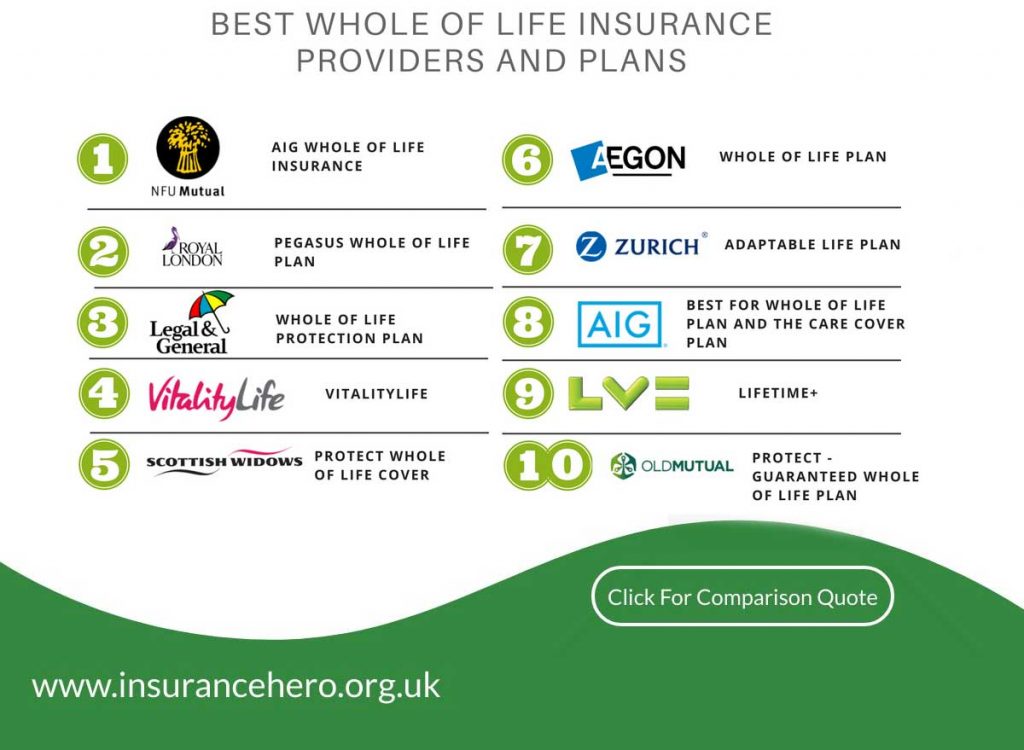
Ultimately, identifying the best life insurance policy is an investment in your family’s security and your own peace of mind. It involves a thoughtful assessment of your current life stage, your dependents’ needs, and your future aspirations. By taking the time to understand the different types of policies available – from term life, which offers coverage for a specific period, to permanent life, which provides lifelong protection and can build cash value – you can make an informed decision. For deeper understanding, see Best Car Insurance Companies USA. This proactive approach ensures that the promise you make to your loved ones is a robust and reliable one, offering a steadfast shield against the financial storms life might bring.
Best Life Insurance Policy
Navigating the world of life insurance can feel overwhelming, with a plethora of options and jargon designed to protect your loved ones financially. The quest for the “best life insurance policy” isn’t a one-size-fits-all endeavor; it’s a deeply personal decision influenced by your unique circumstances, financial goals, and the people you aim to safeguard. This comprehensive guide aims to demystify the process, offering in-depth insights to help you identify the most suitable life insurance policy for your specific needs.
Understanding the Core Purpose of Life Insurance
At its heart, life insurance is a contract between an insurer and a policyholder. In exchange for premium payments, the insurer agrees to pay a designated beneficiary a sum of money – the death benefit – upon the policyholder’s death. This financial cushion is designed to help beneficiaries cover expenses such as:
- Lost income replacement
- Mortgage or rent payments
- Outstanding debts (credit cards, loans)
- Education costs for children
- Funeral and burial expenses
- Estate taxes
- Leaving a legacy or charitable donation
The “best life insurance policy” for you will be one that effectively addresses these potential financial burdens for your beneficiaries.
Key Types of Life Insurance Policies
The primary distinction in life insurance lies between term life and permanent life policies. Understanding their characteristics is crucial for determining the best fit.
Term Life Insurance: Temporary Coverage for Specific Needs
Term life insurance provides coverage for a set period, or “term,” typically ranging from 10, 20, or 30 years. If the policyholder dies within the term, the death benefit is paid. If the policyholder outlives the term, the coverage expires, and no benefit is paid unless the policy is renewed (often at a significantly higher premium). Key Features of Term Life Insurance:
- Affordability: Generally the most cost-effective type of life insurance, especially for younger, healthier individuals.
- Simplicity: Straightforward coverage with no cash value component.
- Specific Needs: Ideal for covering financial obligations that have a defined end date, such as a mortgage, child-rearing years, or student loan repayment.
- Level Premiums: Premiums typically remain the same throughout the term.
When Term Life Might Be Your Best Life Insurance Policy:
- You have a mortgage and want to ensure your family can keep the home if you pass away.
- You have young children and want to provide for their upbringing and education.
- You want to cover a significant debt that will be paid off within a specific timeframe.
- You are looking for the most affordable way to secure a substantial death benefit for a limited period.
Permanent Life Insurance: Lifelong Coverage with Investment Potential
Permanent life insurance, as the name suggests, provides coverage for the policyholder’s entire lifetime, as long as premiums are paid. These policies also include a cash value component that grows over time on a tax-deferred basis. This cash value can be borrowed against or withdrawn, though doing so may reduce the death benefit. There are several sub-types of permanent life insurance, each with its own nuances:
1. Whole Life Insurance
Whole life insurance is the most traditional form of permanent coverage. It offers a guaranteed death benefit, guaranteed level premiums, and a guaranteed rate of cash value growth.
- Guaranteed Features: Predictability in premiums and cash value growth.
- Cash Value Growth: Tax-deferred growth, accessible through loans or withdrawals.
- Dividends (Participating Policies): Some whole life policies may pay dividends, which can be used to reduce premiums, purchase additional coverage, or be taken as cash.
2. Universal Life Insurance
Universal life (UL) insurance offers more flexibility than whole life. It allows policyholders to adjust their premium payments and death benefit within certain limits. The cash value growth is typically tied to a declared interest rate, which can fluctuate.
- Flexibility: Ability to adjust premiums and death benefits.
- Interest Rate Sensitivity: Cash value growth depends on the insurer’s declared interest rate.
- Potential for Lapse: If premiums are insufficient to cover policy costs, the policy can lapse.
3. Variable Life Insurance
Variable life insurance allows policyholders to invest the cash value in a range of sub-accounts, similar to mutual funds. This offers the potential for higher returns but also carries investment risk.
- Investment Potential: Higher growth potential due to market participation.
- Investment Risk: Cash value can decrease if investments perform poorly.
- Complexity: Requires more active management and understanding of investment options.
4. Variable Universal Life Insurance (VUL)
VUL combines the flexibility of universal life with the investment options of variable life. Policyholders can adjust premiums and death benefits, and invest cash value in sub-accounts.
- Maximum Flexibility and Investment Choice: Offers the most customization.
- Higher Risk and Complexity: Combines the risks of variable life with the potential for policy lapse if not managed properly.
When Permanent Life Might Be Your Best Life Insurance Policy:
- You want to provide a lifelong financial safety net for your spouse or dependents.
- You wish to leave a substantial inheritance for your heirs.
- You want to cover final expenses and estate taxes.
- You are interested in the tax-deferred growth of cash value for potential future use.
- You have a permanent need for life insurance, such as supporting a dependent with special needs.
Factors to Consider When Choosing the Best Life Insurance Policy
Selecting the “best life insurance policy” involves a thorough evaluation of several critical factors:
1. Your Age and Health
Younger and healthier individuals generally qualify for lower premiums. Insurers assess risk based on age, medical history, lifestyle (smoking, hobbies), and family medical history. The more risk factors you present, the higher your premiums will be.
2. Your Financial Obligations and Needs
Income Replacement: How much income would your family need to maintain their lifestyle if you were no longer there? Debts: Consider mortgages, car loans, student loans, and credit card balances. Future Expenses: Think about future education costs for children or potential eldercare for aging parents. Final Expenses: Estimate costs for funeral, burial, and any associated medical bills. A needs analysis calculator or consulting with a financial advisor can help quantify these figures.
3. The Desired Coverage Amount (Death Benefit)
This is the lump sum your beneficiaries will receive. It should be sufficient to cover your identified financial obligations. It’s often recommended to aim for a death benefit that is 10-15 times your annual income, but this is a general guideline and your specific needs may vary significantly.
4. The Policy Term (for Term Life Insurance)
Select a term that aligns with your financial obligations. If you have a 30-year mortgage, a 30-year term policy makes sense. If your children will be financially independent in 15 years, a 15- or 20-year term might be sufficient.
5. Premium Costs and Affordability
Premiums are the ongoing payments you make to keep the policy in force. While affordability is key, don’t sacrifice adequate coverage for the cheapest option. Compare quotes from multiple reputable insurers.
6. Policy Riders and Optional Benefits
Riders are endorsements that can be added to a life insurance policy to provide additional benefits or modify coverage. Some common riders include: Waiver of Premium Rider: If you become disabled and unable to work, this rider waives your premium payments while keeping the policy in force. Accelerated Death Benefit Rider: Allows you to access a portion of your death benefit while still alive if you are diagnosed with a terminal illness. Child Rider: Provides a small amount of term life insurance coverage for your children. Accidental Death Benefit Rider: Pays an additional death benefit if the policyholder dies as a result of an accident. Carefully consider if any riders are essential for your specific situation.
7. The Insurer’s Financial Strength and Reputation
It’s vital to choose a financially stable insurance company that is likely to be around to pay claims for decades to come. Look for high financial strength ratings from agencies like A.M. Best, Moody’s, and Standard & Poor’s. Also, consider customer service reviews and claim-paying history.
8. Features of the Cash Value Component (for Permanent Policies)
If you opt for permanent life insurance, understand how the cash value grows, the fees associated with it, and the options for accessing it. Variable policies require a good understanding of investment performance and risk.
The Application and Underwriting Process
Once you’ve identified potential policies, you’ll go through an application and underwriting process.
- Application: You’ll provide personal information, including your health history, lifestyle, and financial details.
- Medical Exam: Most policies require a medical exam, which typically involves a blood and urine sample, blood pressure check, and height/weight measurement.
- Underwriting: The insurance company’s underwriter reviews your application and medical exam results to assess your risk and determine your premium.
- Approval and Policy Issuance: If approved, you’ll receive your policy documents.
Be honest and thorough in your application, as misrepresentations can lead to denied claims.
Finding the “Best Life Insurance Policy” for You
The “best life insurance policy” is not a static entity but rather a dynamic solution tailored to your evolving life circumstances. For young families with significant debt and income replacement needs: A 20 or 30-year term life insurance policy is often the most cost-effective and appropriate choice. For individuals with long-term estate planning goals or a desire for lifelong coverage: Permanent life insurance, such as whole life or universal life, may be more suitable, especially if the cash value component is a priority. For those seeking flexibility in premium payments and death benefits: Universal life or variable universal life policies offer these options but require careful management. For those comfortable with investment risk and seeking higher growth potential: Variable life or variable universal life insurance might be considered, but with a full understanding of the associated risks. Ultimately, the “best life insurance policy” is the one that provides you with peace of mind, knowing your loved ones will be financially secure in your absence, at a premium you can comfortably afford. It’s often beneficial to consult with an independent insurance agent or a fee-only financial advisor who can provide unbiased advice and help you compare options from various carriers.