Vacant Home Insurance – Imagine leaving your cherished property unattended for an extended period – perhaps for a lengthy vacation, a sabbatical, or while it awaits a new tenant or buyer. While the peace of mind that comes with owning a home is immense, the vulnerability of an unoccupied dwelling can be a significant concern. Standard homeowner’s insurance policies often have clauses that exclude coverage for damage or theft occurring when a property is vacant for a specific duration, typically 30 to 60 days. This is where the specialized world of vacant home insurance steps in, offering a crucial safety net for owners in these unique situations.
Vacant home insurance, also known as unoccupied property insurance, is specifically designed to address the increased risks associated with properties that are not regularly lived in. These risks can range from unexpected pipe bursts and electrical fires that go unnoticed for longer periods, to vandalism and unauthorized entry. Unlike standard policies, vacant home insurance acknowledges that a property left empty is inherently more susceptible to damage and loss. It provides tailored coverage to protect your investment against a broader spectrum of perils, ensuring that you are not left financially exposed when your property is at its most vulnerable.
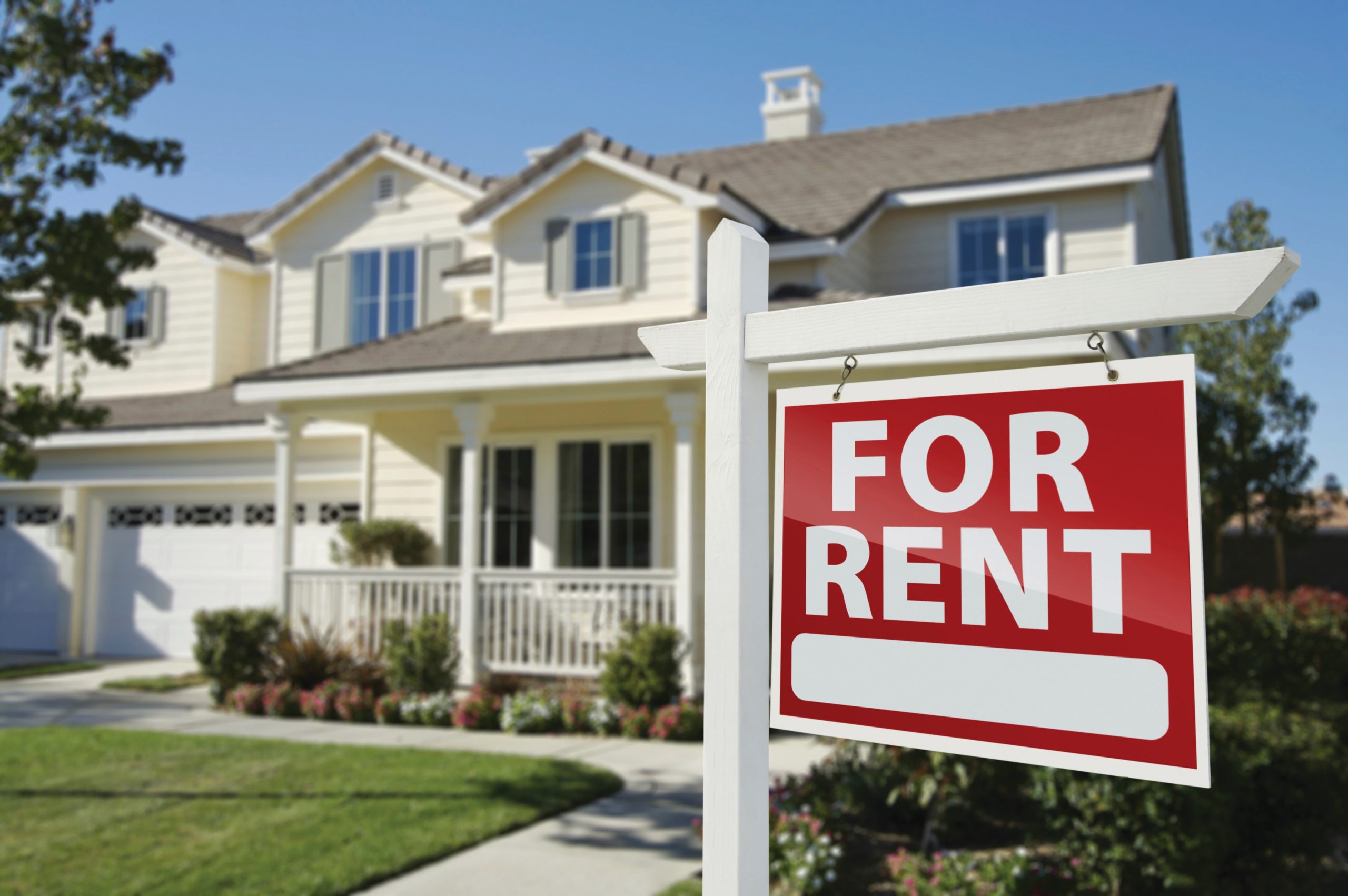
Understanding the nuances of vacant home insurance is vital for any homeowner or landlord who anticipates their property being unoccupied. It’s not merely an optional add-on but a fundamental protective measure that can safeguard your financial well-being and the integrity of your property during periods of vacancy. By securing the right coverage, you can alleviate the anxieties associated with an empty house and focus on your plans with the assurance that your valuable asset is adequately protected against unforeseen events. As a concrete example, you can check Cheap Auto Insurance Near Me.
Vacant Home Insurance: Securing Your Unoccupied Property
Owning a vacant property, whether it’s a second home, a rental awaiting tenants, or a property under renovation, presents unique risks that standard homeowner’s insurance policies are often not designed to cover. This is where vacant home insurance, also known as unoccupied property insurance or dwelling fire insurance, becomes critically important. These specialized policies are tailored to protect your interests when your home is not actively occupied by its owners for an extended period. Understanding the nuances of vacant home insurance is essential for safeguarding your investment against a range of potential perils.
Why Standard Homeowner’s Insurance Falls Short for Vacant Homes
Standard homeowner’s insurance policies are predicated on the assumption that a property is occupied and regularly maintained by its owners. This occupancy provides a degree of inherent security. For instance, an occupied home is less likely to be a target for vandalism or squatting. Furthermore, an owner’s presence allows for prompt detection and mitigation of issues like water leaks, electrical faults, or minor damages before they escalate into major claims. When a home is vacant, these risks are significantly amplified, and insurers view these properties as having a higher probability of claims. Consequently, most standard policies contain clauses that will void coverage if a property remains unoccupied for a specified duration, typically 30 to 60 consecutive days. This is precisely why dedicated vacant home insurance is a necessity.
Understanding What Constitutes a “Vacant” Home for Insurance Purposes
The definition of “vacant” can vary slightly between insurance providers, but generally, it refers to a dwelling that is not inhabited by the policyholder or their immediate family for a continuous period. This can include:
- Homes owned as a second residence that are only used seasonally.
- Investment properties or rental homes that are temporarily without tenants.
- Properties undergoing significant renovations where the owner is not living on-site.
- Inherited properties that are not yet occupied or sold.
- Homes being sold that have been vacated by the previous owners.
It’s crucial to have an open dialogue with your insurance agent about the expected occupancy status of your property to ensure you secure the correct vacant home insurance coverage. Misrepresenting occupancy can lead to denied claims.
Key Perils Covered by Vacant Home Insurance
While the exact coverage can differ, vacant home insurance typically provides protection against many of the same perils as a standard homeowner’s policy, but with specific considerations for unoccupied properties. Common coverages include:
Dwelling Coverage (Coverage A)
This is the core of your vacant home insurance policy, covering the physical structure of your house, including the roof, walls, foundation, and attached structures like garages. It will typically pay to repair or rebuild the dwelling up to the policy limits if it’s damaged by a covered peril.
Other Structures Coverage (Coverage B)
This covers detached structures on your property, such as sheds, fences, or detached garages. The coverage limit is usually a percentage of the dwelling coverage.
Personal Property Coverage (Coverage C)
This coverage is often more limited for vacant homes compared to occupied ones. It typically covers essential items left in the home, such as appliances or fixtures, but may exclude valuable personal belongings unless specifically scheduled. Many homeowners opt to remove valuable items from a vacant property altogether.
Loss of Use Coverage (Coverage D)
This coverage is generally not applicable to vacant homes as there is no primary residence to lose the use of. However, if the vacant home was intended to be a rental property and becomes uninhabitable due to a covered loss, some policies might offer limited coverage for lost rental income.
Liability Coverage (Coverage E)
This protects you if someone is injured on your vacant property and sues you. It can help cover legal fees and medical expenses. For vacant properties, this is particularly important as the risk of trespassers or accidents might be higher.
Vandalism and Malicious Mischief
This is a critical coverage for vacant properties, as they can be more susceptible to intentional damage. Vacant home insurance policies often include or offer this as an endorsement.
Fire and Smoke Damage
Protection against fire is standard, but given the increased risk of electrical issues or arson in vacant homes, this coverage is paramount.
Windstorm and Hail Damage
Covers damage caused by severe weather events.
Water Damage
This can include damage from burst pipes, which is a significant concern in unoccupied homes, especially during colder months. However, coverage for flood damage (from external sources like overflowing rivers) is typically excluded and requires a separate flood insurance policy.
Common Exclusions in Vacant Home Insurance Policies
It is equally important to understand what vacant home insurance typically does not cover. Common exclusions include:
- Flood Damage: As mentioned, external flooding is almost always excluded.
- Earthquake Damage: Requires a separate policy or endorsement.
- Mold and Rot: If the damage is due to neglect or poor maintenance over time, it may be excluded.
- Pest Infestations: Damage caused by rodents, insects, or other pests is usually not covered.
- Wear and Tear: Gradual deterioration of the property is not an insurable event.
- Theft of Fixtures: Sometimes, theft of items permanently attached to the home (like pipes or wiring) might be excluded if the policy specifies it.
- Damage from Freezing Pipes (in some cases): While burst pipes are often covered, if the home was left unheated and unattended during winter, leading to freezing, some insurers may deny the claim, citing lack of reasonable care.
Always review your policy documents carefully to understand the limitations and exclusions of your specific vacant home insurance.
Factors Influencing Vacant Home Insurance Premiums
The cost of vacant home insurance can vary significantly based on several factors:
- Location: Properties in areas prone to natural disasters (hurricanes, wildfires, earthquakes) or high crime rates will generally have higher premiums.
- Property Condition: An older home in disrepair will cost more to insure than a well-maintained property.
- Security Measures: The presence of security systems, monitored alarms, and regular property inspections can sometimes lead to lower premiums.
- Construction Type: Homes built with fire-resistant materials may have lower rates.
- Coverage Limits and Deductibles: Higher coverage limits and lower deductibles will increase the premium, and vice versa.
- Duration of Vacancy: Some insurers may offer different rates based on how long the property is expected to be vacant.
- Previous Claims History: A history of claims on the property or by the owner can affect the premium.
Tips for Securing and Maintaining a Vacant Property
Beyond just purchasing vacant home insurance, taking proactive steps to secure and maintain your unoccupied property can not only reduce the risk of claims but may also help in securing more favorable insurance terms and premiums:
- Regular Inspections: Arrange for frequent visits by a trusted individual (a neighbor, property manager, or professional service) to check for any issues like leaks, damage, or signs of unauthorized entry.
- Secure the Property: Ensure all doors and windows are locked. Consider installing deadbolts, reinforcing window frames, and perhaps even boarding up the property if it’s in a high-risk area for vandalism.
- Maintain Utilities: Keep essential utilities like electricity and water on (if feasible and safe) to prevent freezing pipes in winter or to allow security systems to function. If water must be shut off, properly drain all pipes.
- Manage Mail and Deliveries: Have mail and newspapers held at the post office or forwarded to prevent them from piling up, which can signal that the home is vacant.
- Landscaping: Keep the lawn mowed and the property tidy. Overgrown vegetation can make a property look neglected and unappealing, potentially attracting unwanted attention.
- Install Security Systems: A monitored alarm system, security cameras, or even simple motion-detector lights can deter potential intruders.
- Inform Your Insurer of Changes: Always notify your insurance provider of any significant changes in the property’s occupancy status or condition.
Choosing the Right Vacant Home Insurance Provider
When seeking vacant home insurance, it’s advisable to:
- Shop Around: Obtain quotes from multiple insurance companies that specialize in or offer vacant property coverage. Rates and coverage can differ significantly.
- Understand Policy Wording: Read the policy documents carefully, paying close attention to definitions, exclusions, and conditions.
- Work with an Independent Agent: An independent insurance agent can help you compare policies from various carriers and find the best fit for your specific needs.
- Be Honest About Occupancy: Transparency with your insurer is crucial. Failure to disclose the vacancy accurately can lead to a denial of a claim.
Securing appropriate vacant home insurance is not just about fulfilling a requirement; it’s about providing essential financial protection for a property that carries a higher risk profile. By understanding the specific needs of unoccupied homes and the solutions offered by vacant home insurance, property owners can ensure their valuable assets are adequately protected.