Fleet Insurance Quotes – For any business that relies on a fleet of vehicles, from delivery services and construction companies to taxi firms and larger corporations, managing operational costs is paramount. Among these costs, insurance stands out as a significant and often complex expenditure. Obtaining accurate and competitive fleet insurance quotes is not just about finding the cheapest option; it’s about securing comprehensive coverage that protects your assets, your drivers, and your business’s reputation. This process involves understanding the various factors that influence premium costs and knowing how to present your business in the best possible light to insurers to secure the most favorable terms.
Fleet insurance, by its nature, differs significantly from individual vehicle policies. Instead of insuring each car, van, or truck separately, a single policy covers multiple vehicles under one umbrella. This consolidation can offer administrative ease and potential cost savings, but it also means that the risk profile is aggregated. Insurers will meticulously assess the size of your fleet, the types of vehicles involved, their intended use, the geographical areas they operate in, and, crucially, the driving history of your designated drivers. The more vehicles you have, and the more varied their usage, the more intricate the quoting process becomes.
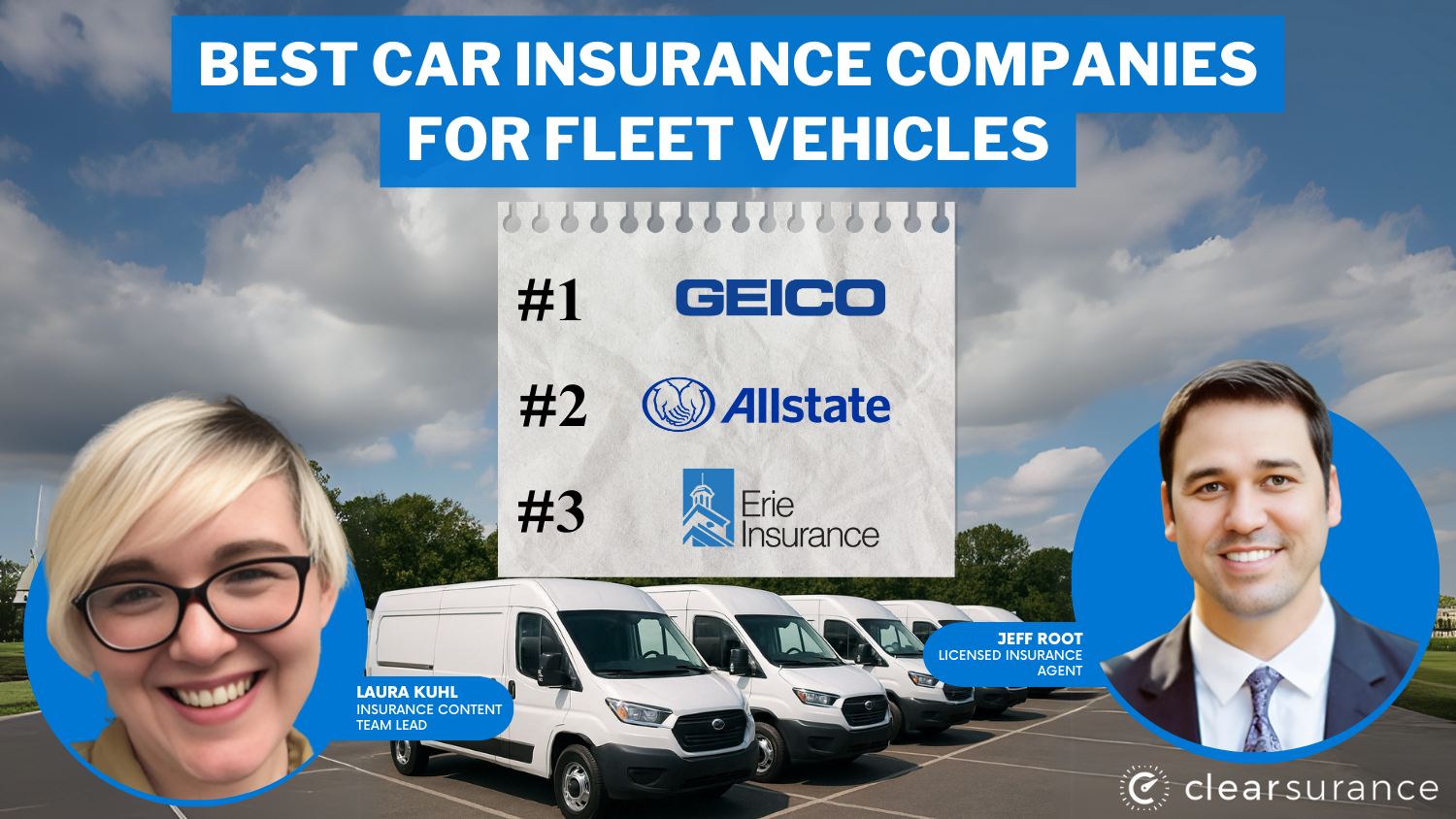
Navigating the world of fleet insurance quotes requires a strategic approach. It’s essential to gather all relevant information about your fleet and your business operations beforehand. This includes details on vehicle models and ages, annual mileage, driver demographics, claims history, and any existing security measures in place. For deeper understanding, see Cheap Auto Insurance Near Me. By being well-prepared and transparent with potential insurers, you empower yourself to compare quotes effectively, identify potential discrepancies, and ultimately make an informed decision that aligns with your business’s specific needs and financial objectives. This diligence can translate into substantial savings and robust protection for your valuable fleet.
Fleet Insurance Quotes
Obtaining accurate and competitive fleet insurance quotes is a critical process for any business that relies on a group of vehicles for its operations. Whether you manage a small fleet of delivery vans, a large contingent of commercial trucks, or a diverse collection of company cars, understanding the nuances of fleet insurance and how quotes are generated is paramount to securing the right coverage at the best possible price. This detailed exploration delves into every facet of sourcing and evaluating fleet insurance quotes.
Understanding the Fundamentals of Fleet Insurance
Fleet insurance is designed to provide a consolidated insurance policy for multiple vehicles owned or operated by a single business entity. This contrasts with insuring each vehicle individually, which can be more administratively burdensome and often more expensive. The core purpose of fleet insurance is to protect the business against financial losses arising from accidents, theft, or damage to its vehicles, as well as third-party liabilities.
Key Components of a Fleet Insurance Policy
When you receive fleet insurance quotes, they will typically encompass various types of cover. Understanding these components is crucial for comparing offers effectively:
- Third-Party Liability (TPL): This is the most basic level of cover and is legally mandatory in most regions. It covers damage or injury caused to third parties (other vehicles, pedestrians, property) by your fleet vehicles. It does not cover damage to your own vehicles.
- Third-Party, Fire, and Theft (TPFT): This level builds upon TPL by adding cover for your own vehicles if they are stolen or damaged by fire.
- Comprehensive Cover: This is the broadest form of protection. It includes TPL, fire, and theft cover, and also covers accidental damage to your own fleet vehicles, regardless of fault.
- Legal Expenses Insurance (LEI): This optional add-on can cover legal costs associated with pursuing or defending claims arising from road traffic incidents.
- Breakdown Cover: Many fleet policies offer roadside assistance and recovery services, which can be invaluable for minimizing downtime.
- Windscreen Cover: Often included or available as an add-on, this covers the cost of repairing or replacing damaged windscreens.
Factors Influencing Fleet Insurance Quotes
The price of your fleet insurance quotes is determined by a complex interplay of factors. Insurers assess risk based on a multitude of data points. Understanding these will help you anticipate costs and provide accurate information:
Vehicle-Specific Data
- Number of Vehicles: The size of your fleet is a primary factor. Larger fleets may benefit from economies of scale, but also present a higher aggregate risk.
- Vehicle Types and Values: The make, model, age, and value of each vehicle in the fleet significantly impact premiums. High-performance vehicles, luxury cars, or specialized commercial vehicles will generally cost more to insure.
- Vehicle Usage: How the vehicles are used (e.g., for deliveries, sales, executive transport, construction) and the mileage they cover are critical. Vehicles used for high-risk activities or long distances will incur higher premiums.
- Vehicle Modifications: Any modifications, such as specialized equipment, upgraded engines, or security systems, must be declared and can affect the quote.
Driver-Related Information
- Driver Ages and Experience: Younger and less experienced drivers are statistically more prone to accidents, which will increase the cost of fleet insurance quotes.
- Driving Records: A history of claims, convictions (e.g., speeding, DUI), or license suspensions for any driver operating the fleet vehicles will significantly elevate premiums. Insurers will want to see details of all drivers.
- Driver Restrictions: Policies can be tailored to restrict who can drive certain vehicles or the entire fleet, which can reduce costs.
Business Operations and Risk Profile
- Industry/Trade: The nature of your business is a major risk indicator. For example, a courier service faces different risks than a plumbing company or a corporate executive transport service.
- Geographic Area of Operation: Where your vehicles are primarily used and garaged can influence risk. Areas with higher crime rates or traffic congestion may lead to higher premiums.
- Annual Mileage: The total estimated mileage for the entire fleet is a key factor in assessing risk and potential exposure.
- Claims History: Your business’s past claims record is one of the most significant determinants of future premiums. A history of frequent or costly claims will result in higher fleet insurance quotes.
- Security Measures: The presence of security devices (e.g., alarms, immobilizers, GPS tracking) on vehicles can sometimes lead to discounts.
- Business’s No-Claims Bonus (NCB) or Fleet Discount: A proven track record of not making claims can earn discounts.
Policy Structure and Choices
- Voluntary Excess: The amount you agree to pay towards any claim. A higher voluntary excess generally leads to lower premiums, but you must be able to afford this amount if a claim occurs.
- Named Drivers vs. Any Driver: Insuring specific named drivers is usually cheaper than allowing any driver to operate the fleet, but this may not be practical for all businesses.
- Policy Start Date: The timing of your policy renewal can sometimes influence quotes, as insurers may offer different rates at different times of the year.
The Process of Obtaining Fleet Insurance Quotes
Sourcing fleet insurance quotes requires a methodical approach to ensure you gather all necessary information and compare offers accurately.
Step 1: Gather Comprehensive Information
Before you even contact an insurer or broker, compile a detailed dossier of your fleet and business. This includes:
- A complete list of all vehicles, including make, model, year, registration number, value, and engine size.
- The primary use of each vehicle.
- The total annual mileage anticipated for the fleet.
- Details of all drivers who will operate the vehicles, including their ages, driving license information, and claims/conviction history.
- The business’s claims history for the past 3-5 years.
- Information on where vehicles are usually kept overnight (garaged, private driveway, public road).
- Details of any security measures installed on the vehicles.
- Your desired level of cover (e.g., comprehensive, TPFT).
- Your preferred voluntary excess amount.
Step 2: Decide Between a Broker and Direct Insurers
You have two primary avenues for obtaining fleet insurance quotes:
- Fleet Insurance Brokers: These specialists work with multiple insurers and can often find more competitive rates and tailored policies by leveraging their industry contacts and knowledge. They can also guide you through the complexities of fleet insurance. This is often the recommended route for businesses with more complex or larger fleets.
- Direct Insurers: Some insurance companies offer fleet policies directly to businesses. This can sometimes be simpler for smaller, more standard fleets, but you may need to shop around more to compare offers.
Step 3: Requesting and Comparing Quotes
When you request fleet insurance quotes, ensure you provide the same, accurate information to each provider. This is crucial for a fair comparison. Pay attention to:
- The Price: Obviously, the premium is a key consideration.
- Level of Cover: Ensure each quote offers the same type and breadth of coverage. Don’t be swayed by a low price if the cover is inadequate.
- Excess Levels: Compare both the voluntary and compulsory excess amounts.
- Policy Exclusions and Limitations: Read the small print carefully. What is not covered? Are there any restrictions on who can drive or where vehicles can be used?
- Additional Benefits: Look at what extras are included, such as breakdown assistance, courtesy vehicles, or legal protection.
- Claims Handling: Research the insurer’s reputation for handling claims efficiently and fairly.
Advanced Considerations for Fleet Insurance Quotes
Beyond the basic factors, several advanced elements can significantly impact your fleet insurance quotes and the overall value of your policy.
Telematics and Driver Monitoring
Many insurers now offer telematics solutions (black boxes) that monitor driver behavior, such as speed, braking, acceleration, and cornering. Installing these devices can lead to substantial discounts on fleet insurance quotes if drivers demonstrate safe driving habits. They also provide valuable data for risk management and accident investigation.
Risk Management Strategies
Insurers are increasingly looking at a business’s proactive approach to risk management. This can include:
- Driver Training Programs: Implementing regular driver safety training can demonstrate a commitment to reducing risk.
- Vehicle Maintenance Schedules: Adhering to strict maintenance protocols ensures vehicles are in good working order, reducing the likelihood of mechanical failures leading to accidents.
- Accident Reporting Procedures: Having clear and efficient procedures for reporting accidents can streamline the claims process and help prevent future incidents.
Presenting evidence of robust risk management strategies to potential insurers can lead to more favorable fleet insurance quotes.
Specialized Fleet Requirements
Some businesses have unique fleet needs that require specialized insurance. This could include:
- Haulage and Logistics: Specific cover for goods in transit, trailer insurance, and international haulage.
- Construction Fleets: Cover for heavy machinery, specialized vehicles, and potential damage to project sites.
- Taxi and Private Hire Fleets: Policies designed for public passenger vehicles, often with specific driver vetting requirements.
- Company Car Schemes: Managing fleets of cars for employees, often with considerations for personal use.
When obtaining fleet insurance quotes for these specialized sectors, it’s crucial to work with brokers or insurers who have expertise in that particular industry.
The Impact of Policy Wording
The exact wording of a fleet insurance policy can have significant implications. Pay close attention to definitions of terms like “driver,” “accident,” “use of vehicle,” and “territorial limits.” Subtle differences in wording between fleet insurance quotes can mean substantial differences in coverage when a claim arises.
Maximizing Value from Fleet Insurance Quotes
Securing the best fleet insurance quotes is not just about finding the lowest price; it’s about achieving the optimal balance of cost, coverage, and service for your business needs.
Key Strategies for Better Quotes
- Renew Early: Don’t wait until the last minute. Starting the process well in advance of your renewal date gives you more time to shop around and negotiate.
- Be Honest and Accurate: Misrepresenting information can invalidate your policy. Provide precise details about your fleet, drivers, and operations.
- Consider Higher Excess: If your business can absorb a larger upfront cost for a claim, increasing your voluntary excess can significantly reduce your annual premium.
- Implement Telematics: As mentioned, this is a powerful tool for demonstrating safe driving and earning discounts.
- Review Your Fleet Regularly: As your business evolves, so should your fleet insurance. Dispose of vehicles that are no longer needed, update values, and ensure your policy reflects your current operational reality.
- Build a Good Claims History: Proactive risk management and a focus on preventing accidents are the best ways to improve your future fleet insurance quotes.
- Build a Relationship with Your Broker/Insurer: A good working relationship can lead to better advice, more tailored solutions, and potentially better terms over time.
By approaching the process of obtaining fleet insurance quotes with diligence, a thorough understanding of your business’s needs, and a commitment to risk management, you can ensure your fleet is adequately protected while optimizing your insurance expenditure.